Every growing roofer hits the same moment. Google Ads and LSA are working, the budget is bigger and someone at a radio station or billboard company calls with a “great rate.” Is it worth it?
I asked my Facebook feed: For those of you who have done both, what’s provided more return: radio or billboards?
- SEO, AEO, Google Ads and LSA for roofers
- Published pricing, nothing hidden
- You own your website and ad accounts
“Not only is our site great, the ongoing guidance we get from Hook is exactly what we needed.”
Steph Laurer, Badgerland Exteriors (roofing)Need the website too? See our Custom Websites
The scoreboard
It was close. Among the people who picked one, radio edged billboards 6 to 5. Three more said run both together. And a big group said neither, pointing to Facebook, TV, door knocking, bench ads or word of mouth instead.
The more useful part of the thread was why.
They’re both branding plays
The problem is most people don’t track either of those. They do them and feel good about making a move, but they have no idea if it turned out well. Both are more of a branding play. Usually people aren’t in a position to make a phone call from a billboard or a radio ad.
In my experience, I like the billboard better. I’m also more likely to do radio because every time I’ve done radio they give me season tickets to the OK State football games. My experience is in the HVAC space. I don’t know if we ever got a call from the radio, but I went to a lot of games.
Mark Cantrell
I’ve been running billboards for years, and while it helps boost all my other lead sources (and closing rates), it’s rarely a lead source itself. If I wasn’t getting such an amazing rate, it wouldn’t make sense. I wouldn’t pay full price for billboards. You’re better off putting that money into Meta and Google.
Bryan Pauley
That’s a lot of branding exposure. It’s not necessarily fair to judge its success by direct response. TV is a better bet if you want direct return.
Dan Crystal
This is the key point. Billboards and radio rarely make the phone ring on their own. They make every other channel work better: your Google Ads click-through, your door knocks, your close rate at the kitchen table. Judge them that way or don’t buy them.
If you do radio, go all in
If you’re going to do radio, you need to commit to it very hard. Don’t spread it out all over the station. Be very dialed in with the morning show, the afternoon show or a popular syndication.
Josh Hadden
Radio did best for me in past businesses, by a long shot. We’d do remote radio promotions and give away free hot dogs to people for lunch. Maybe do a remote promo and offer a trade: free lunch for a free roof inspection. We also bundled SiriusXM ads with our traditional radio ads, which got us on Pandora, SoundCloud, YouTube Music and satellite radio.
Mike Rains
Radio by a very large margin. I wasn’t running radio ads, though. I had a set time each week on talk radio where people would call in for a real-time appraisal. That was around 2012, when talk radio was likely more relevant than it is today.
Bobby JL Jones
Notice the theme: radio works when you own a show or a segment, not when you’re one of eight 30-second spots in a row.
If you do billboards, nail the location
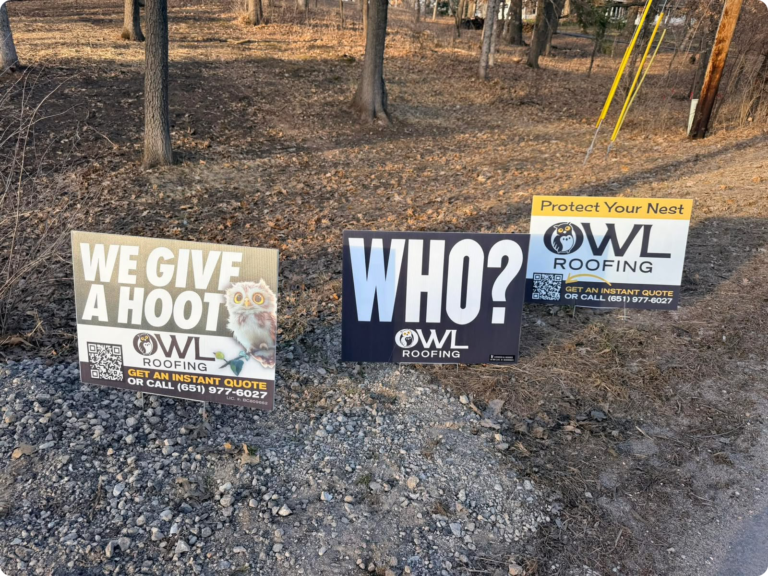
They’re both branding plays, and billboards don’t discriminate. Fewer people listen to radio nowadays, and clean billboards with a long-term commitment will help build the top-of-mind presence you’re looking for. Radio is good for storm season or events.
Dante Cantu
You have to be very creative on billboards. Right placement, the right billboard, the right city. Or else both are useless.
Jacob Fuchs
I live in a very large metro, DFW. Radio will reach many people I don’t serve. In this case geography wins.
John Edward Bert
Great point for big metros. A billboard can sit right in your service area. A big-city radio station pays to reach towns you’ll never drive to.
Joe Hoffman suggested asking Kris Lindahl, the Twin Cities real estate agent famous for his billboards. If you’ve driven around Minnesota, you know why.
Or run them together
Well-positioned billboards with catchy radio ads together. The combination is lethal.
Chuck Staszkiewicz
 Chuck Staszkiewicz
Extremely difficult to track the ROI, even with dedicated numbers. Excellent for branding if you’re committed to the spend and the long haul. Use them together at the same time for maximum impact. Think 6 months-plus, continuous.
Paul Kirkwood
How to actually measure them
Unless you’re using unique CTAs, you can’t measure ROI on radio or billboards. Same website on both? Unmeasurable. Same phone number? Ditto. Think a “where did you hear about us” on a lead form is gonna get an honest answer? Try again. They’re both for branding.
I highly recommend “The Age of Persuasion: How Marketing Ate Our Culture” by Terry O’Reilly and Mike Tennant.
John Schierman
Raul Marrero’s tip: never run either without SMS shortcodes, so listeners and drivers can text a word to a number. Add a unique phone number and a short vanity URL per channel, then watch your branded Google searches. If people search your company name more after the billboard goes up, it’s working.
The “neither” camp
All Facebook. Nothing else even comes close.
Dale Childress Jr.
TV does well for us. 6am and 6pm during the news.
Jason Webb
Bench ads! Underutilized. Our customers love them.
Donovan Davis
We have both and still have both going. It’s the price you pay to brand yourself.
Roger Welter
The funny answer
Both worthless unless you hit it hard and for a long time. That’s what she said.
Matt Spanton
Takeaways: radio vs billboards for roofers
- Treat both as branding. Expect them to lift your other channels, not to be a top lead source.
- Get your direct response channels working first. Google, LSA, Meta and SEO before brand ads.
- Radio: own a slot. One show, one time, for months. Or a recurring segment.
- Billboards: location over everything. In your service area, on your buyers’ commute, with a simple message.
- Commit to 6 months or more. Short bursts don’t build memory.
- Track with unique numbers, URLs or SMS codes, and watch branded search volume.
- Negotiate. Bryan Pauley says billboards only make sense for him at a discounted rate.