At 8:14 p.m., a homeowner’s heat goes out.
They do not read blogs.
They do not compare ten companies.
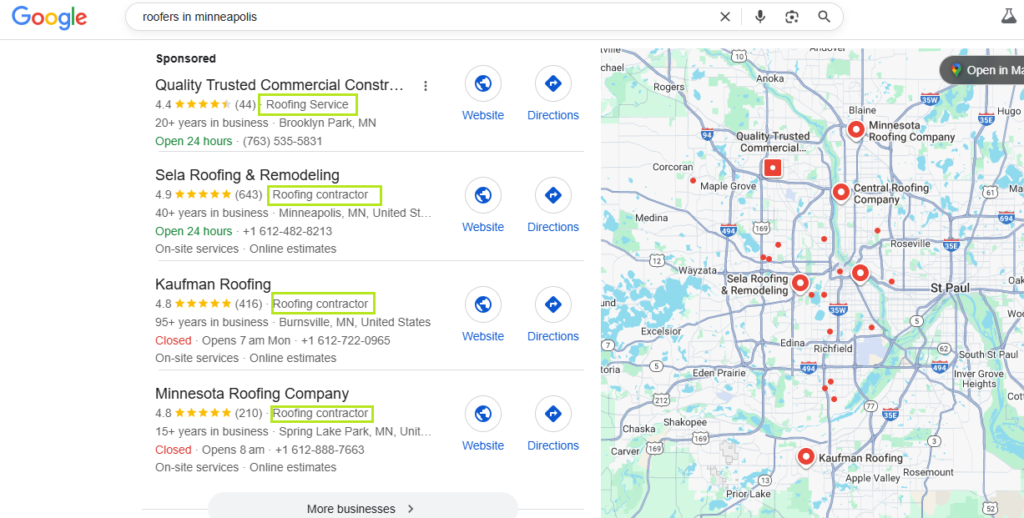
They tap the map, skim three reviews, and call.
That is how jobs are won in 2026.
AI answers did not replace local search. They filtered it. Google now decides, faster than ever, which contractors feel real, established, and worth showing. Everyone else disappears before the homeowner even scrolls.
This is why local SEO for home service businesses still matters. Not as a marketing tactic, but as a visibility filter. If your Google Business Profile is weak, your service areas are unclear, or your website sends mixed signals, you are invisible at the exact moment intent peaks.
Ranking “number one” does not save you anymore. Structure does.
This guide breaks down how local SEO actually works for contractors in 2026. What Google is prioritizing now. Where most businesses quietly fall out of the Map Pack. And how to build local visibility that produces calls, not just impressions.
What “Local SEO” Actually Means (Plain English)
Local SEO is not some hidden system running in the background. It is how Google decides which contractors deserve to be shown when a homeowner is ready to call.
In 2026, that decision happens fast. A phone comes out. A short search is typed. A map appears. Google shows a small set of businesses first, then supporting results underneath. Most homeowners never get past that first screen.
Here is what matters.
- The Map Pack drives the decision.
This is where the call usually comes from. The organic results below it exist to support trust, not replace it.
- Proximity is checked instantly.
Google looks at where the searcher is and how clearly your business location or service area lines up. Stretching cities or stuffing locations no longer works.
Relevance is the next filter. Google needs to understand exactly what you do without guessing. Vague service lists, broad categories, or “we do everything” positioning weaken your chances.
- Clear service definitions win.
- Accurate primary categories matter more than secondary ones.
- Pages that match real homeowner searches outperform generic content.
Authority is where most local SEO efforts fall apart in 2026.
- Reviews are not just about stars. Recency, detail, and consistency matter more than volume.
- Your website must back up what your Google Business Profile claims. Conflicting signals get filtered out.
- Brand consistency across platforms signals stability, not churn.
This is also why local SEO is not about publishing blog posts every week. Content only helps when it supports local intent. A few strong service and location pages often outperform months of unfocused blogging.
The Google Map Pack Is Where Calls Are Won
If contractors are obsessed with one thing in Local SEO, it is this.
The Map Pack.
Not because it looks good in screenshots, but because that is where the phone rings. In 2026, most homeowners never make it past that map. They scan three options, check reviews, glance at distance, and call.
That is why winning the Map Pack is not about tricks. It is about sending the right signals consistently, at scale, over time.
What Actually Moves Map Pack Rankings in 2026
Google has made this clearer than ever, even if most agencies still oversimplify it.
Recent surveys like the 2026 Local Search Ranking Factors show that Google Business Profile signals now carry roughly 32% of the total Map Pack ranking weight, making them the single strongest influence. Reviews follow at about 20%. Behavioral signals such as direction requests, photo views, and calls now account for roughly 9%.

That last piece is newer and it explains a lot of confusion contractors feel right now.
Google is watching how people interact with your listing.
- Are homeowners clicking for directions
- Are they viewing your photos
- Are they calling directly from the profile
Active, well-optimized listings that generate real engagement can move faster than older listings that sit idle.
This is why two companies in the same city can have wildly different results.
Why Some Contractors Rank Fast and Others Never Do
This is not luck.
A newer HVAC company can sometimes crack the Map Pack in months while a 15-year-old business stays buried. The difference is signal clarity.
Fast movers usually have:
- A fully optimized Google Business Profile with correct primary categories
- Clear service definitions that match actual search behavior
- Consistent business information everywhere it appears online
- Fresh reviews that mention specific services and locations
- Listings that get clicked, viewed, and interacted with
Stalled businesses often have history, but messy signals. Outdated categories. Inconsistent service areas. A website that says one thing while the profile says another.
In 2026, Google filters harder. If it has to guess, you lose.
What Signal Clarity Looks Like in Practice
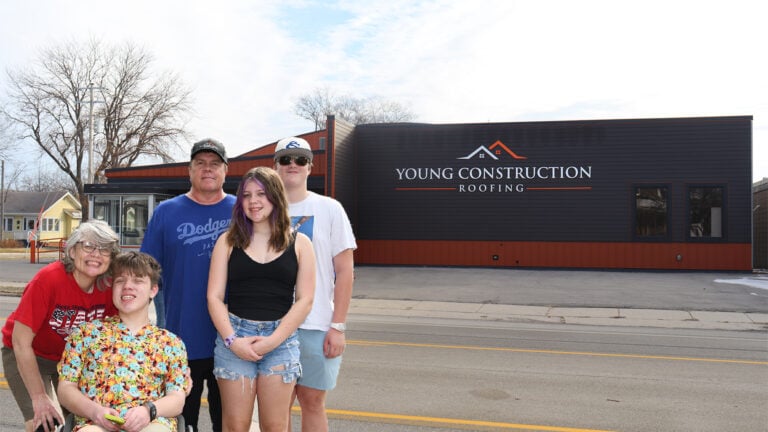
A roofing company we worked with, Young Construction, is a good example of how Local SEO momentum actually builds.
Before working with Hook, they had cycled through seven account managers in one year. Strategy reset constantly, execution never stabilized, and their SEO never had time to compound. Visibility stalled even though effort was being applied.
The fix wasn’t a trick. It was structure and consistency.
We rebuilt the website to remove code bloat, clarified service and location signals, separated markets with a clean geographic structure, and aligned their Google Business Profile, pages, and citations so Google no longer had to guess.
The result:
- 200% increase in local first-page rankings
- 39% improvement in overall keyword position
- 176 confirmed inbound leads from 333 calls and form submissions
- Stable, compounding visibility after 19 months of consistent execution
This is what happens when Google sees clear services, clear locations, and consistent signals over time. Ranking speed isn’t luck. It’s alignment.
View the full Young Construction Local SEO case study →
Proximity Still Matters, But It Is No Longer the Whole Story
Distance has always mattered and it still does. You cannot rank everywhere. But proximity alone does not guarantee visibility anymore.
Google now cross-checks proximity with relevance and authority in a tighter loop. A plumbing company close to the searcher but unclear about services or weak on reviews can get leapfrogged by a slightly farther competitor with stronger signals.
This is why vague service area setups quietly hurt rankings. If your profile claims twenty cities but your site and reviews only reinforce two, Google notices.
Reviews Are Trust Signals Before They Are Ranking Signals
Reviews still matter a lot, but how they matter has shifted.
In 2026, Google looks beyond star count.
- Recency matters more
- Specific service mentions matter more
- Patterns matter more
Ten new reviews that mention “emergency AC repair” and “same-day service” often outperform fifty old generic ones. Reviews now help confirm relevance, not just popularity.
They also influence behavior. Strong reviews drive clicks and calls, which feeds back into ranking signals.
Can You Hack the Google Map Pack?
Short answer. No.
Long answer. Every shortcut eventually shows up as a problem.
Fake reviews get filtered. Keyword-stuffed business names get suspended. Spam locations get wiped out. In 2026, Google is faster at correcting manipulation and slower to forgive it.
The Map Pack rewards businesses that look stable, active, and legitimate. That is why chasing loopholes usually ends in a reset, not growth.
Does Ranking in the Map Pack Guarantee Results?
No.
This is where many contractors get burned.
Visibility without structure still fails. A weak Google Business Profile, poor photos, confusing service areas, or a website that does not back up the listing can kill conversions even if you hit the first page of Google.
Ranking opens the door. Trust closes the deal.
Your Google Business Profile Is the Jobsite Google Inspects First
In 2026, Google does not “get to know” your business slowly.
It makes a snap judgment.
Your Google Business Profile is where that judgment happens. Before your website matters. Before ads help. Before rankings move. If this profile is unclear or misaligned, Google quietly limits how often you show up.
This is not theory. It shows up every day in competitive HVAC, plumbing, and roofing markets.
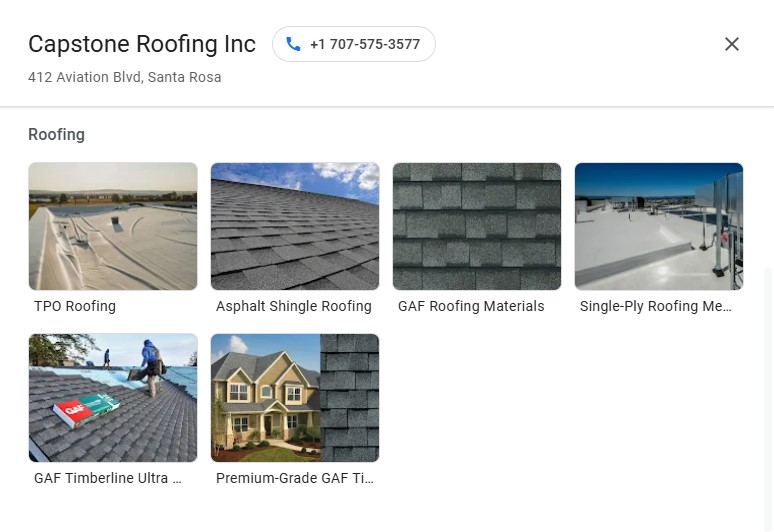
Category Selection Is Not a Detail, It Is a Gatekeeper
Your primary category is one of the strongest signals Google uses to decide when to show you. It tells Google what you are best at, not what you sometimes do.
For example, an HVAC company that selects “Heating contractor” instead of “HVAC contractor” often narrows its visibility without realizing it. That choice can reduce exposure for AC repair searches even if the business offers the service daily.
Secondary categories help support relevance, but stacking them to “cover more ground” backfires. In 2026, Google prefers one clear identity over a messy list of maybes.
Services vs Products: Where Many Profiles Go Sideways
Services are not keywords. They are confirmations.
This section should mirror how homeowners actually search. “Emergency AC repair,” “tankless water heater installation,” and “roof leak repair” tell Google exactly when to surface your listing.
Products, on the other hand, are rarely needed for home service businesses. Adding product listings for equipment you do not sell directly often dilutes relevance. Google reads this as confusion, not expansion.
Clean, accurate services win. Bloated menus stall.
Photos That Influence Rankings, Not Just Clicks
Photos are no longer cosmetic.
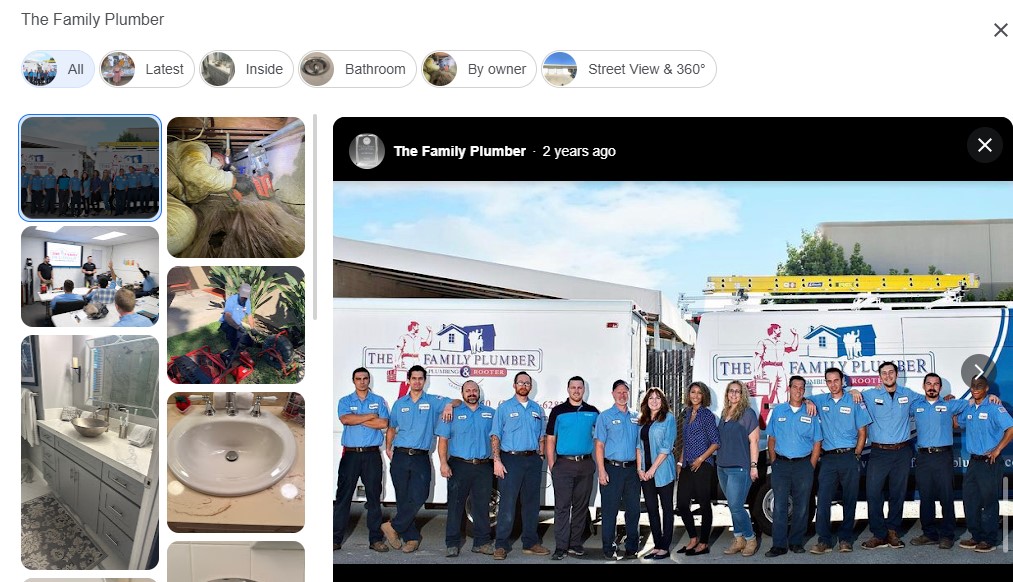
In 2026, Google measures interaction. Listings with fresh jobsite photos, trucks in real neighborhoods, and consistent visual updates get more engagement. More engagement leads to stronger behavioral signals.
A contractor with average reviews but strong photo interaction can outperform a higher-rated competitor whose profile looks abandoned. This matters because these same engagement signals now feed AI overviews in local SEO, reinforcing which businesses feel active and legitimate.
Posts and Updates: Activity Without Strategy Does Nothing
Posting weekly does not equal optimization.
Posts help when they reflect real activity. Seasonal services. Major projects. Team updates tied to actual work. Generic posts written “for SEO” get ignored by users and by Google.
In 2026, Google watches what people interact with, not what you publish.
Reviews Are About Timing and Language Now
Star ratings alone do not move the needle like they used to.
Recent reviews that mention specific services and neighborhoods help Google match your listing to searches. Ten fresh reviews about “same-day furnace repair” often outperform thirty old five-star reviews with no detail.
Reviews also shape behavior. More clicks and calls reinforce relevance, which feeds back into rankings.
The Mistakes Agencies Still Make Every Day
These issues show up constantly:
- Choosing a primary category that is technically accurate but strategically wrong
- Listing every service imaginable instead of the ones that drive calls
- Posting filler content that gets zero interaction
- Ignoring review timing and patterns
- Treating the profile like a checklist instead of a living system
This is why SEO still matters with AI and ChatGPT. Those systems rely on clear, trusted local data. When your Google Business Profile is messy, every surface suffers.

Your Website Is Google’s Lie Detector
In 2026, Google does not take your word for it.
Your Google Business Profile can say you offer emergency HVAC repair across five cities, but Google checks your website to see if that story holds up. When it does not, rankings slip. Quietly. No warning.
This is where a lot of contractors lose ground without realizing it.
Speed and Mobile UX Are Not “Technical Stuff” Anymore
A homeowner searches “AC not cooling” on their phone. They tap your listing. Your site takes four seconds to load. They hit back and tap the next company.
That one action tells Google everything.
Over half of mobile users abandon sites that load over three seconds. Bounce rates spike more than 30% when load time jumps from one second to three. Pages under two seconds keep about 70% more visitors. Even a one-second delay can cut conversions by 20% and page views by 11%.
This is not about user patience. It is about trust. Slow sites feel unreliable. Google agrees.
Service Pages and Location Pages Get Mixed Up All the Time
Here is a common mistake.
A plumbing company builds one page called “Plumbing Services in Dallas” and tries to rank it for drain cleaning, water heaters, leaks, emergencies, and every nearby suburb.
It rarely works.
Service pages should focus on the job. What it is. When someone needs it. Why they should call you.
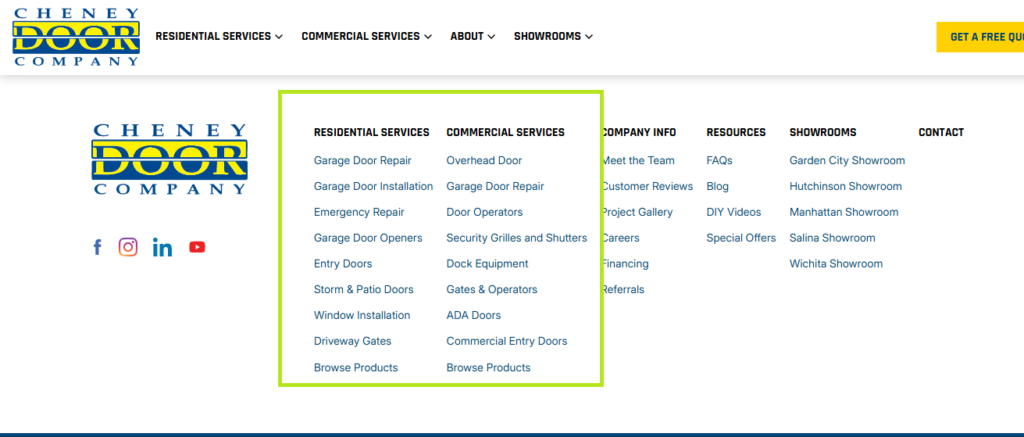
Location pages should focus on coverage. How fast you respond. What areas you serve. Why you are established there.
When those roles blur, Google struggles to place you. This matters even more when comparing franchise SEO vs local SEO. Franchises can reuse structures across cities. Local businesses win by being specific and believable in their service areas.
Service Areas Need Proof, Not Big Claims
Listing twenty cities does not mean Google believes you serve them.
Google looks for reinforcement.
- Do your pages mention real neighborhoods
- Do reviews reference local jobs
- Does internal linking support the service area
If your site claims wide coverage but everything else points to one core city, rankings thin out. In 2026, Google filters ambition faster than ever.
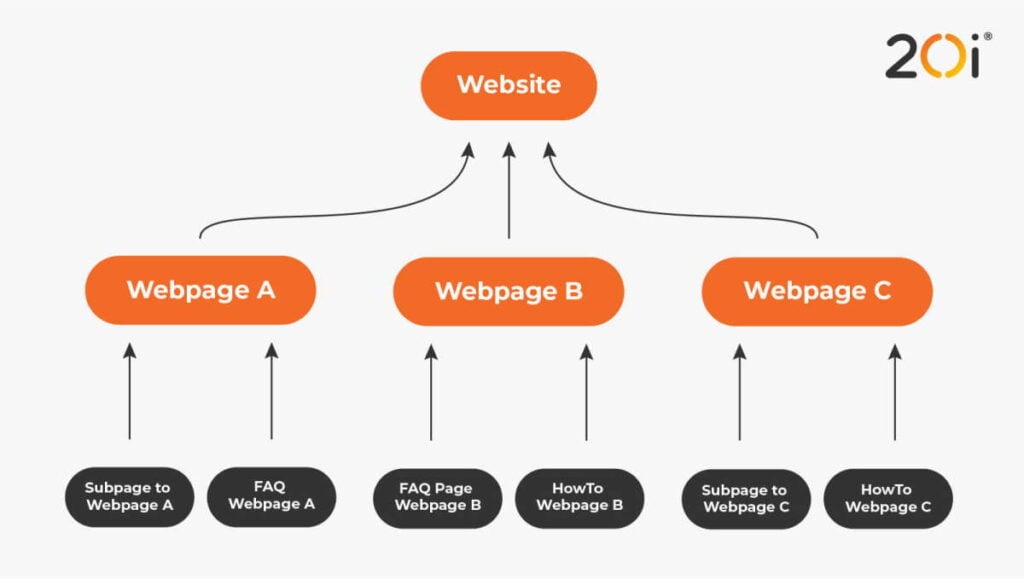
Schema Is About Clarity, Not Cleverness
Schema is simply structured context.
Basic local business and service schema help Google understand:
- What you do
- Where you do it
- How to categorize you
When this is clean, your content is easier to surface in enhanced results like featured snippets for home service businesses and AI summaries pulling from trusted local sources.
Why “Nice” Websites Still Fail
A lot of contractor sites look good and still underperform.
The pattern is familiar.
- Services hidden behind sliders
- Locations buried in footers
- Call buttons hard to tap on mobile
Google watches how people behave. If visitors hesitate or leave, rankings soften. Sites built around clarity and action tend to perform better locally, which is why strong Local SEO overlaps so closely with home service websites that convert.
In 2026, your website is not there to impress.
It is there to confirm you are the right choice.
If it does that well, Google notices.
Content That Works While You Sleep
Most contractors think content means blogs.
Google does not.
In 2026, content earns its place only if it helps Google decide when to show you and helps a homeowner decide who to call. Anything else is just noise.
Here is what that actually looks like now.
The Pages That Quietly Move Rankings
Local SEO content is not about how much you publish. It is about how clearly you explain your work and your coverage.
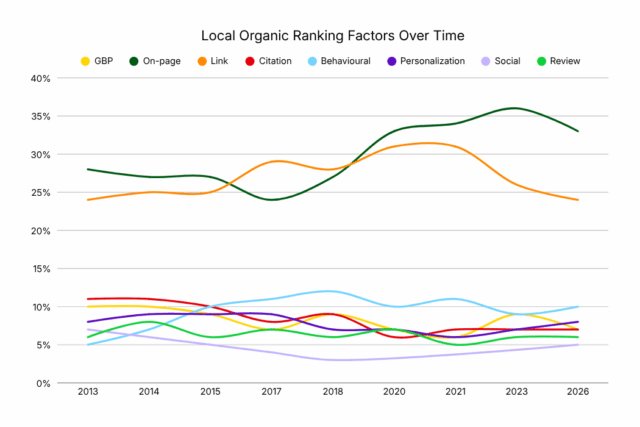
Right now, on-page elements tied to service and location clarity carry the most weight in local organic results, roughly 36%. That is higher than links. Pages built specifically for a service in a specific area outperform almost everything else.
That is why a page like “Same-Day Furnace Repair in Gilbert” can do more for visibility than ten general blog posts. Google knows exactly when to surface it. Homeowners know exactly why to click.
Blogs still matter, but only when they answer buying questions. Repair or replace. Cost ranges. Emergency versus wait. Posts written to hit a content calendar do not support Local SEO in 2026. They dilute it.
This becomes even more important if you are trying to maintain a contractor omnipresent marketing cadence. Generic content weakens every channel you show up on, not just search.
Writing for Humans First, AI Second
Search does not stop at blue links anymore.
Homeowners see answers pulled into AI summaries before they ever reach a website. That is where AEO vs. SEO stops being theory. Clear answers with local context are what get pulled forward.
Content that works now:
- Answers the question fast
- Ties the answer to a real service
- Anchors it to a real location
Location pages should feel lived-in. Neighborhood names. Common issues. Response expectations. Swapping city names into templates does not survive the filter.

Thin content is no longer harmless. Duplicate location pages, filler blogs, and keyword padding create confusion. Google reads that as uncertainty and quietly reduces visibility.
The goal is not more content.
It is content that removes doubt.
When it works, it does not feel like marketing.
It feels like the contractor already explained the job before the call ever came in.
The Signals Google Uses to Decide Who Feels Legit
By the time Google is ranking contractors in 2026, it is no longer asking “who optimized best.”
It is asking something simpler and harsher.
Who actually looks real in this market?
Reviews, citations, and authority signals are how Google answers that question. This is not about volume. It is about patterns that are hard to fake.
Reviews Are Evidence, Not Feedback
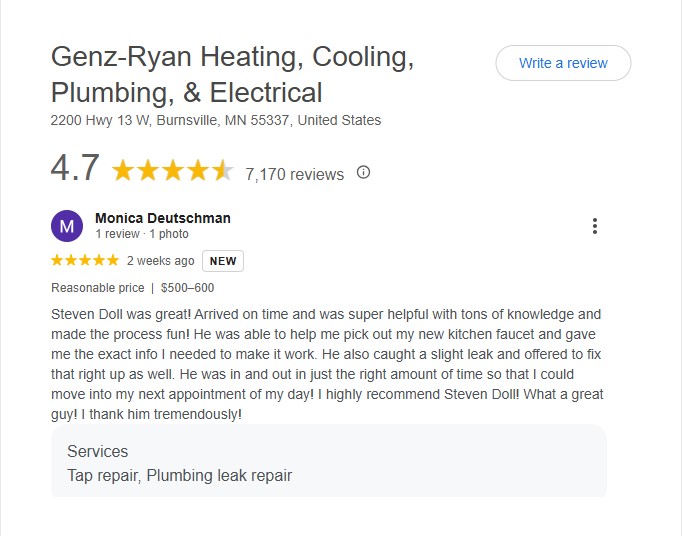
In 2026, reviews function less like testimonials and more like behavioral proof.
Google is not impressed by a wall of five-star ratings. It looks at what those reviews say, when they were written, and how people interact with your listing after reading them.
For example:
- A roofing company gets three reviews in the same month mentioning “hail damage inspection in Plano”
- Those reviews lead to more profile clicks and phone calls
- Google now has confirmation of service relevance, location relevance, and buyer intent
That pattern carries far more weight than fifty generic “great service” reviews spread over five years.
This is also why review timing matters. A business with steady, recent feedback looks active. A business with old reviews looks stagnant, even if the star rating is high.
Citations Are About Trust, Not Coverage
Citations are no longer a numbers game.
In 2026, Google cross-checks your core business data across a small set of trusted sources. If your name, phone number, or service description conflicts, confidence drops.
A real example we see often:
- Website lists a service-area business
- Google Business Profile shows a storefront address
- Directories list a different phone number
Nothing looks “wrong” on its own. Together, it looks unreliable.
Adding fifty more directories does not fix this. Cleaning five critical ones does. Citation consistency tells Google your business is stable, not constantly changing.
Local Authority Comes From Local Context
Generic backlinks still exist, but they rarely move Local SEO.
What does move the needle are mentions that tie your business to a place.
Think:
- A plumbing company referenced on a city water utility page
- An HVAC contractor listed on a local builder’s partner page
- A roofer mentioned on a neighborhood association site
These links do two things at once. They confirm geography and legitimacy. Google treats them very differently than generic SEO links.
Community Presence Leaves Digital Footprints
Community involvement works because it creates signals you cannot manufacture at scale.
Sponsoring a local event often leads to:
- A website mention
- Social photos
- Branded searches
- Real engagement
Those signals reinforce authority across search surfaces. This is why AI is changing search, but SEO remains the winner. AI systems rely on the same trust signals Google has already validated locally.
Local SEO Timelines That Don’t Lie to You
If an agency promises fast Local SEO results, that is not confidence.
That is a warning.
In 2026, Local SEO still works, but it works on momentum, not switches. The businesses that win understand what progress actually looks like and why it compounds instead of spiking.
Here is the timeline most contractors experience when Local SEO is done right.
Months 0–3: Visibility Before Volume
This phase rarely feels exciting. That is normal.
Early Local SEO work is about cleaning signals, not flooding you with leads. Google is recalibrating how it understands your business.
What you usually see:
- Google Business Profile impressions rise before calls do
- Map Pack positions stabilize instead of bouncing
- Service and location pages start getting indexed correctly
- Branded searches increase slightly
What you usually do not see yet:
- A sudden flood of phone calls
- Top three rankings everywhere
This phase separates serious programs from shortcuts. Agencies promising big wins here are often cutting corners that reset later.
Months 4–6: Trust Starts Converting
This is where things get interesting.
Once signals line up and Google sees consistency, behavior changes.
What progress looks like now:
- Calls start coming from non-branded searches
- Map Pack visibility expands to nearby areas
- Reviews begin influencing click-through rates
- Lead quality improves even if volume is still modest
This is also when many contractors get impatient. Rankings are improving, but not “dominating.” Pulling the plug here is the most common mistake.
Momentum is building, even if it feels slow.
Months 7–12: Compounding Advantage
This is where Local SEO earns its reputation.
By now, Google has a clear picture of your business. Reviews reinforce relevance. Content supports services. Engagement feeds visibility.
What this phase looks like:
- Consistent Map Pack presence for core services
- Calls arriving steadily, not sporadically
- Easier wins for new services or locations
- Competitors struggling to displace you
This is also when Local SEO starts to feel unfair to everyone else. You are no longer fighting for attention. You are defending it.
The Local SEO Mistakes That Quietly Kill Revenue
Most Local SEO failures do not look like failure.
They look like movement. Reports. Rankings that shift just enough to feel promising. Then the phone stays quiet.
These are the mistakes we see most often when contractors come to us after “doing SEO” somewhere else.
Chasing Rankings Instead of Calls
Ranking screenshots do not pay payroll.
We see businesses ranking well for searches that never convert. Local SEO only works when it produces calls from homeowners ready to book. If rankings rise but revenue does not, the strategy is broken.
That is why we focus on lead quality and booked jobs first, not vanity metrics.
Letting Google Business Profile Health Slide
Your Google Business Profile is not set-and-forget.
Categories drift. Services stop matching reality. Reviews slow down. Engagement drops. Google notices long before you do.
Many businesses invest heavily in their website while their profile quietly decays. When visibility drops, it feels sudden. In reality, the damage has been building.
Publishing Content Just to Stay Busy
Posting for the sake of posting wastes time and weakens focus.
We routinely audit sites with dozens of blog posts that never supported a single service or location. Over-publishing creates noise. It does not build authority.
Local SEO content should exist to support calls, not calendars.
Switching Agencies Right Before Momentum Kicks In
This is one of the most common and costly mistakes we see.
Local SEO compounds. It does not respond well to resets.
Many contractors switch agencies every few months because they are promised faster results somewhere else. Each switch changes categories, structures, content, and signals. Google reads that instability clearly.
When businesses come to Hook, they are often six months away from results they never got to see. Our job becomes repairing inconsistency before building momentum again.
We do not sell quick wins. We build systems that hold. That is why our approach requires patience, alignment, and a long-term view. It is also why our SEO services are built to drive revenue, not churn.

Not Tracking Real Leads
Traffic and impressions are not outcomes.
If you cannot trace calls and form fills back to search, you cannot know what is working. We focus on lead tracking because revenue tells the truth.
Most Local SEO mistakes are not technical.
They are strategic.
Fix those, and everything else starts to work.
How Local SEO Makes Everything Else Work Better
Most marketing problems are not channel problems.
They are foundation problems.
In 2026, Local SEO is no longer something you run alongside ads, social, or AI visibility. It is the layer that decides how well all of them perform.
SEO and PPC Are Not Competing, They Are Playing Different Jobs
Paid ads buy attention. Local SEO earns trust.
When people compare google ads vs local service-ads, the real difference is intent. Ads can put you at the top instantly. Local SEO determines whether that click turns into a call or a bounce.
Here is what we see repeatedly. Two contractors run the same ads. One has strong local visibility. The other does not. The one with strong Local SEO closes more jobs and sees lower cost per leads from Google Ads because homeowners already recognize and trust the brand.
Ads work harder when Local SEO does its job first.
Why Strong Local Presence Improves Ad Performance
Homeowners rarely convert on the first touch.
They click an ad, then check the Map Pack. They look at reviews. They glance at photos. If your local presence is weak, ads feel risky. If your Map Pack listing looks solid, ads feel safe.
Local SEO reduces friction. It shortens the trust gap between click and call.
How AEO Pulls From Local Authority
AI answers do not invent sources. They pull from trusted ones.
This is where answer engine optimization for home services becomes practical. AI systems rely on the same signals Google already trusts locally. Clear service pages. Consistent locations. Strong reviews. Verified authority.
When Local SEO is strong, your business becomes easier to reference.
That is why AEO is not a replacement for SEO. It is an extension of it. AI surfaces businesses that already look established, not ones trying to shortcut trust.
Is Local SEO Actually Worth It for Your Business?
Here’s the uncomfortable answer.
Local SEO is not worth it for everyone.
And that’s exactly why it works so well for the businesses it does fit.
Local SEO rewards companies that want control, not shortcuts. It favors contractors who serve a defined area, answer their phones, and plan to be in business next year, not just this quarter. When that’s true, Local SEO stops feeling like marketing and starts acting like infrastructure.
If most of your jobs come from people searching “near me,” Local SEO usually earns its keep. Not immediately. Gradually. The first win is not a spike in calls. It is predictability. Fewer slow weeks. Fewer panic ad spends. More homeowners who already trust you before the conversation starts.
But if you need leads fast, this will test your patience. Ads create urgency. Local SEO builds leverage. It compounds slowly and then becomes hard to displace. Businesses that expect instant volume usually quit right before it starts working.
There are also clear readiness signals.
- You already show up sometimes in Google Maps
- You know which services actually make you money
- You can handle more work without service slipping
- You want fewer “just shopping around” calls
Budget matters here, too. Local SEO is not cheap, but it is durable. You are investing in assets Google continues to reward. Profiles, pages, authority, trust. Visibility that does not disappear the second spend stops. Underfunding it is the fastest way to make it feel useless.
This is also where many businesses misunderstand progress. Rankings feel tangible. Revenue is quieter. Better leads. Higher close rates. More calls that start with “I saw you on Google and you looked legit.”
That is the payoff.
Build Visibility Once. Let It Pay You Back.
Here’s the difference most contractors eventually notice.
Ads feel loud.
Local SEO feels inevitable.
One disappears the moment you stop paying. The other keeps working while your trucks are already on the road.
Everything you just read comes down to this. In 2026, Google rewards businesses that look established, consistent, and trustworthy long before the click happens. When you build that foundation the right way, visibility stops resetting and starts stacking.
That is the real win. Not rankings for bragging rights. Not traffic charts. Calls that feel warmer. Homeowners who already trust you. Growth that does not panic every slow week.
Hook does not sell SEO as a trick. We build Local SEO systems designed to drive revenue and hold their ground in competitive markets. If you want to see what that looks like for your business, learn about Hook’s Local SEO services or book a strategy call.