
You sent the estimate.
They said “looks good.”
Then nothing.
That is not a sales problem. That is a visibility problem.
Most homeowners need to see you multiple times before they book, especially in the first week. If you disappear after the first touch, someone else fills the gap. That is how jobs quietly slip away.
A contractor omnipresent marketing cadence fixes this without fancy software or bloated CRMs. It is a simple rule. Show up seven times in seven days while the job is still top of mind.
Not random posts. Not spam. Intentional touchpoints that remind them who you are, what you do, and why you are the safe choice.
This post lays out a clean, repeatable cadence busy contractors and office managers can run without adding chaos, so when the homeowner is ready to decide, your name is the one they remember.
Why Seven Touches Is the Sweet Spot in Home Services
Here is the myth that quietly costs contractors jobs.
Send the estimate. Follow up once. If they do not reply, move on.
That approach assumes homeowners decide logically and quickly. They do not.
In the first week after an estimate, most homeowners are distracted. They are juggling work, family, and other quotes. You are not being ignored. You are being forgotten.
This is where seven touches matters.
Homeowners rarely book on the first interaction. They book when a name feels familiar. Familiarity comes from repetition, not pressure.
- Multiple touches remind them you exist while the job is still top of mind
- Each touch lowers uncertainty without forcing a decision
- Seeing your name in different places builds comfort, not annoyance
When contractors stop at two or three touches, something predictable happens. The lead does not say no. They simply book the contractor they saw most recently or most often.
The 7 Day Omnipresence Cadence That Actually Works
This cadence exists because of one uncomfortable truth.
Homeowners rarely decide when you think they do.
They decide while making dinner. While scrolling at night. While talking it through with someone else days later. The mistake most contractors make is assuming silence means disinterest. In reality, it usually means delay.
This 7-day cadence is built to match how real decisions form, not how CRMs label leads. It is steady, intentional, and designed to keep you present without ever feeling desperate. This is what effective contractor follow-up systems 2026 look like when they are built around human behavior, not automation obsession.
Day 1: A Text That Feels Human
This is the anchor touch. Everything else builds off this.
A same-day text works because it arrives while the interaction is still fresh. It does not ask for anything. It simply confirms you exist beyond the estimate.
Texts see 98 percent open rates within three minutes, and when used as human-sounding confirmations early in a sequence, they lift response rates by 40 percent compared to email alone. That is not a marketing trick. It is how people communicate.
The difference between ignored and effective here is tone. It should read like something a person would actually send, not a system checking a box.

Day 2: An Email That Reinforces Trust
Now you earn your credibility.
This email is not a follow-up. It is a reinforcement. You restate the problem you observed, the solution you recommended, and what happens next if they move forward.
Follow-ups matter more than most contractors realize. The first follow-up email increases reply rates by 49 percent, and the second and third add another 21 to 25 percent. Over 55 percent of replies come from follow-ups, not the first send.
Personalization is the lever. Emails that reference the actual visit or specific concern lift responses by 62 percent over generic messages. This is where specificity outperforms polish.
Day 3: A Retargeted Ad That Feels Familiar
By day three, they recognize your name. This touch strengthens that recognition without asking for attention.
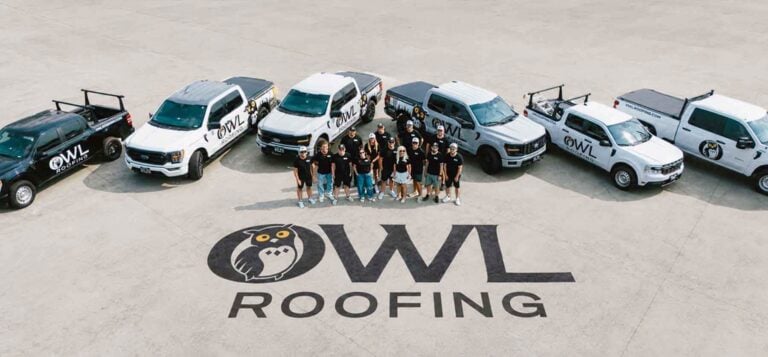
Retargeting works here because it changes context. You move from inbox to feed. From message to memory. They scroll and see your trucks, your team, or a job like theirs.
This is not selling.
It is reassurance.
The ad does not need to be clever. It needs to look real and current. Familiarity is what lowers resistance later.
Day 4: A Value Touch, Not a Nudge
This is where patience pays off.
Instead of pushing again, you give them something useful. A short explanation. A common mistake. A quick tip related to their job. No CTA attached.
This is where simple storytelling tips matter. Frame it around a situation you see every week and how it usually plays out when homeowners wait or choose poorly.
Value without pressure builds goodwill. Goodwill keeps the door open.

Day 5: A Reminder With Context
Now you bring the estimate back into focus, but with a reason.
This is not “just checking in.” It is referencing timing, seasonality, or availability in a way that connects to their situation.
Context matters. It signals professionalism, not impatience. Many leads re engage here simply because the decision got buried under daily life.
Day 6: A Social Proof Follow Up
At this stage, most hesitation comes down to risk.
This is where one or two well chosen examples do the work. A recent job. A review that mirrors their concern. A result that shows what happens after yes.
Social proof works best here because it does not feel like persuasion. It feels like confirmation.
Day 7: A Final Check-In That Respects the Decision
The last touch should feel composed.
You acknowledge that timing might not be right. You outline the next step clearly. You leave the door open without leaning on it.
This matters because even when they do not book now, how you end the sequence determines whether they come back later or recommend you to someone else.

The Systems That Do the Work Without Adding Work
This is usually where contractors push back.
“I don’t want another system.”
“I don’t have time to manage more software.”
That reaction is fair. Most tools are sold as solutions and delivered as chores.
The goal here is not complexity. It is coverage. The right setup runs quietly in the background and lets your team stay focused on jobs, not dashboards. This is how you achieve a human touch with AI for contractors without sounding automated or losing control.
What actually helps instead of hurts:
- Simple CRMs that handle timing automatically
You are not logging notes all day. You are setting rules once. Estimate sent triggers the cadence. No memory required.
- Zapier connections that fire follow-ups for you
When a form is filled or an estimate goes out, the next step happens automatically. No sticky notes. No manual reminders.
- Ad platforms that retarget without daily babysitting
Ads run quietly in the background, reminding leads who you are while your team stays on the jobsite.
These tools should feel invisible. If you notice them constantly, the system is wrong.
How to Stay Persistent Without Being Annoying
This is where most contractors lose leads. Not because they followed up too much, but because they followed up the wrong way.
Frequency rarely causes ghosting. Tone does.
Messages that stay welcome have three things in common:
- They sound like a person, not a script
- They reference the actual job or conversation
- They give space instead of pressure
What triggers ghosting fast:
- Repeating “just checking in” with no context
- Pushing urgency too early
- Sounding frustrated when there is no reply
Persistence works when each touch adds something. A reminder. A reassurance. A helpful note. When messages feel useful, not needy, people stay engaged.
When You Stop Chasing, Leads Start Coming Back
Most contractors lose jobs in the quiet moments. After the estimate. Before the decision. When nothing happens and someone else stays visible.
An omnipresence cadence fixes that gap. Not by working harder. By showing up consistently while life gets busy on the homeowner’s side. When your follow-up feels human, timely, and familiar, decisions happen without pressure.
This is not about more messages or more tools. It is about a system that keeps your name in front of the right people while your team stays focused on real work.
If you are ready to stop guessing and start closing more of the leads you already have, schedule a call with Hook Agency to implement a high-converting omnipresence system that runs on autopilot.