
The New Year always brings one big question for contractors:
Is your pipeline built to grow… or built to leak?
Because here’s the truth most roofing, HVAC, and plumbing companies don’t want to admit: you don’t have a lead problem heading into 2026. You have a follow-up problem. And in a world where homeowners expect answers faster than ever, the companies with a real contractor follow-up system 2026 are the ones stacking revenue while everyone else blames the market.
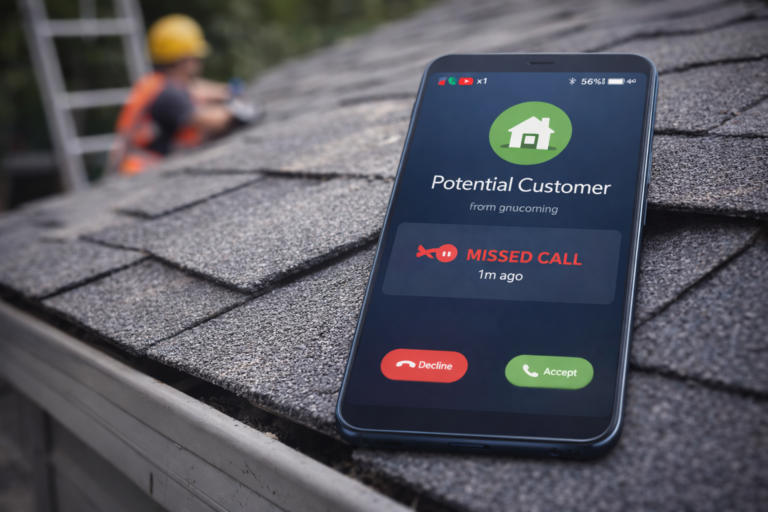
Leads are slipping through cracks you do not even see.
Missed texts.
Unanswered quotes.
One-and-done calls that never get touched again.
Meanwhile your competitors are quietly tightening up their systems, automating their touchpoints, and closing deals you paid to generate.
If 2026 is going to hit different, your follow up has to hit different. This is the year you build a pipeline that actually holds water. Let’s dig in.
The Real Reason Your Pipeline Leaks
Here’s the truth most contractors don’t want to admit:
Your pipeline isn’t leaking because you don’t have enough leads. It’s leaking because you don’t follow up fast enough or often enough.
Homeowners today move at lightning speed. If you’re not responding while they’re still in “buying mode,” you’re already behind. And the data proves it:
- Leads contacted within 5 minutes convert 9x higher than those contacted after 30 minutes.
- Six out of ten leads never receive a response at all.
That’s not a market problem, that’s a process problem.
And the leaks show up in small, repetitive ways:
- A form submission comes in during a job and sits unseen for hours.
- A quote goes out but no structured follow-up sequence supports it.
- A rep calls once, gets voicemail, and silently moves on.
- A high-intent lead clicks your ad multiple times but no one reaches out.
None of these moments feel dramatic. But each is a slow drip. And together, they drain thousands of dollars off your monthly revenue.
The Anatomy of a Follow-Up System That Actually Converts
Most contractors think they “have a follow-up system.”
But when you zoom in, it’s usually just a loose routine, a few reminders, and a lot of hope.
A real system, a 2026-ready system, has structure, speed, automation, accountability, and zero wiggle room for human forgetfulness.
Let’s break it down piece by piece.
1. First Contact Under 2 Minutes (Non-Negotiable)
If you can reply fast, you win.
If you can’t, someone else will.
When leads are hot, they’re not thinking, they’re reacting. They’re filling out forms, clicking ads, searching competitors, talking to spouses, and trying to get a problem solved now.
A 2-minute rule forces operational discipline:
- Someone owns “speed to lead”
- Alerts hit instantly
- A backup responder exists
- Automation fills any gap (SMS instantly, human follows)
Because in 2026, “We’ll call them back in an hour” is basically the same as letting the lead die.

2. Multi-Touch Follow-Up Sequences
One call isn’t follow-up.
It’s a wish.
A converting system looks more like a small campaign:
- Day 1: 3–4 touches (call, SMS, email)
- Next 5 days: Consistent, friendly nudges
- After quote: A structured sequence, not guesswork
- Long-tail: Reminders, check-ins, seasonal touches
Why? Because homeowners are busy, distracted, and overloaded.
You don’t win by shouting, you win by showing up more consistently than everyone else.
3. Visibility Into Every Step of the Lead Journey
If you can’t see where a lead is, no one can improve anything.
Contractors who scale treat every lead like a trackable asset:
- Who contacted the lead
- When
- How many touches
- What stage they’re sitting in
- Where they got stuck
- What needs escalation
It’s about knowing where revenue is bottlenecked. In 2026, you can’t fix blind spots you can’t see.

4. Zero Dead Ends, Zero Ghosting
A dead end in the customer journey is a silent revenue leak.
Examples:
- Lead fills a form and gets no response for hours
- Quote is sent but no follow-up automation backs it
- A rep marks a lead as “lost” with no second attempt or review request
- A voicemail is left, and the trail ends there
A real system eliminates all of this by design.
It forces:
- Redundancy
- Automated follow-ups
- Accountability
- Re-activation sequences
- Review requests and remarketing for “not now” leads
Nothing is allowed to sit.
Nothing is allowed to disappear.
Nothing is allowed to ghost.
The Tools, Timing, and Tracking That Keep Your Pipeline Alive in 2026
Most contractors don’t have a lead problem, they have a follow-up problem disguised as a lead problem.
The phone rings. Crews are slammed. Quotes stack up. A homeowner texts at 9 PM.
And somewhere in that chaos, great leads quietly die without ever hearing back.
A 2026-ready pipeline solves that. It blends automation, trade-specific timing, and simple tracking so your business keeps moving even when you’re on a roof, knee-deep under a sink, or chasing missed appointments.
This is what separates contractors who grow on purpose from the ones who grow by accident.
Tools That Take the Follow-Up Burden Off Your Shoulders
You cannot out-hustle the chaos forever. Your system needs to work when you’re busy, tired, or buried in installs. That’s where the right tools become your silent sales team.
A good CRM fires automatic triggers the second a lead comes in. Before your rep even sees the notification, the system sends an opening text, logs the lead, assigns ownership, and starts the clock. These triggers erase the killers of contractor follow up systems, sticky notes, forgotten callbacks, outdated spreadsheets.
- SMS and email flows that feel human
Messages that sound like a real person wrote them, not a robot with a personality disorder.
- Review request loops
Send requests automatically. Follow up on them automatically. Turn every job into social proof that sells your next one.
- Retargeting that stalks your prospects in a good way
Retargeting ads generate 400 percent ROI on average and have a CTR 10 times higher than display ads. Which means homeowners can’t forget you, even if they’re ghosting you. Perfect for staying top-of-mind after inspections, quotes, or those moments when you offer free roof inspections to warm up colder leads.
And yes, a simple automation map is all it takes:
Lead comes in → instant SMS → rep assigned → call task created → 24-hour check-in → quote follow-up → long-term nurture.
Timing Changes Everything, and Every Trade Has Its Own Rules
Timing isn’t a suggestion anymore.
It’s the difference between “booked” and “lost forever.”
- HVAC leads live in emergency mode. One missed call and they move on instantly.
- Roofing leads require slow-drip reminders after inspections and quotes because it’s a high-ticket decision.
- Plumbing leads need fast scheduling plus next-day reassurance to create loyalty most contractors never build.
And your market plays a role too.
- Highly competitive areas need more touches and tighter response windows.
- Seasonal regions need ramp-up sequences as storms, heat waves, or freeze warnings roll in.
- Rural markets may respond better to softer, relationship-based follow-up.
The Dashboard That Shows Whether Your Pipeline Is Healthy or Dying
Every strong follow-up system has one thing in common: visibility.
When you track the right things, problems announce themselves early. When you don’t, you only notice the leak once revenue drops.
Here’s what contractors should monitor:
- Speed to lead
- Contact rate
- Appointment rate
- Follow-up sequence completion
- Close rate by source
If one drops, you adjust the system. If one spikes, you pour fuel on what’s working.
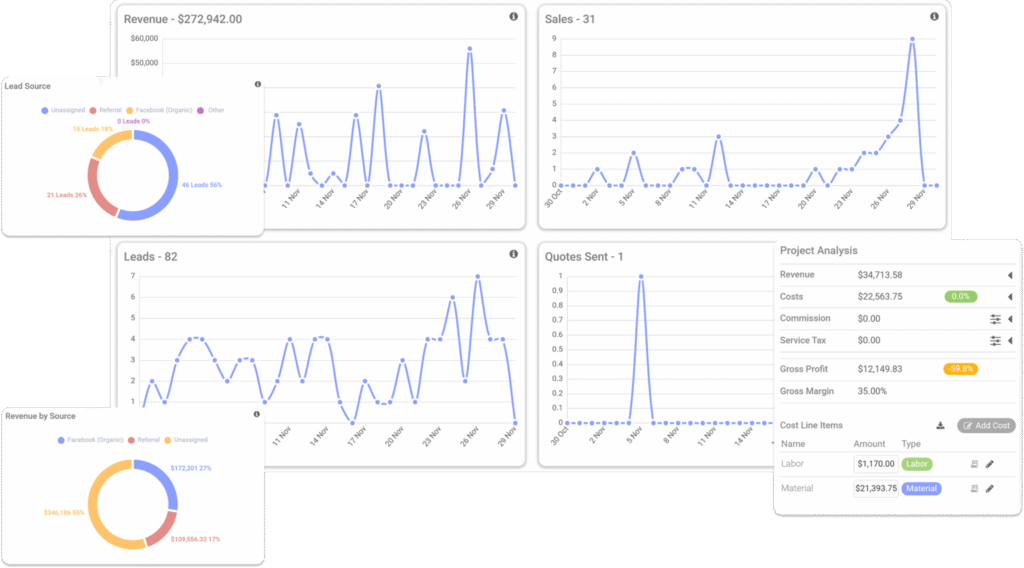
Your 2026 pipeline depends on it. Using the right tools and tactics lets you capture every lead, nurture them consistently, and even offer free roof inspections to convert hesitant homeowners while keeping your team on track.
Turn 2026 Leads Into Jobs Without Chasing Anyone
Leads aren’t going to wait, and neither should you. A sloppy follow-up system is a silent revenue killer but the right process turns every lead into a booked job.
Stop guessing. Stop hoping someone calls back. Track every lead, automate the touches, and use smart incentives that actually get homeowners to say yes.
2026 is your chance to build a system that works even when your crew is slammed. Explore the Hook Agency blog for more actionable insights, or schedule a call to create a follow-up system that keeps your calendar full all year long.