
You open a second location. Revenue is climbing. Confidence is high.
Then someone on your team says it. “Should we build a separate website for this city?”
Now you’re in it.
The multiple websites vs one website for multiple locations debate is not just a marketing question. It is a growth decision. Get it right and your authority compounds. Get it wrong and you split your SEO power, double your costs, and slow momentum across every market.
We have seen home service companies launch three, four, even six domains thinking they were being strategic. In reality, they diluted rankings, confused Google, and made their own marketing harder.
At the same time, we have also seen single-site strategies fail because the structure was lazy and location pages were thin.
So which model actually wins? Let’s find out.
More Websites Sounds Powerful. Until You Have to Rank Them.
Opening a second location makes launching a new domain feel strategic.
More local branding.
More flexibility.
More control per market.
Sometimes that instinct is right. Often, it creates more complexity than growth. Here’s how to think about it clearly.
When Separate Websites Actually Make Sense
There are situations where multiple domains are justified.
Franchise driven businesses are the clearest example. If each location has its own ownership, its own marketing budget, and its own leadership team, a separate site gives that operator autonomy. Messaging can be tailored. Offers can vary. Services can be positioned differently based on local demand.
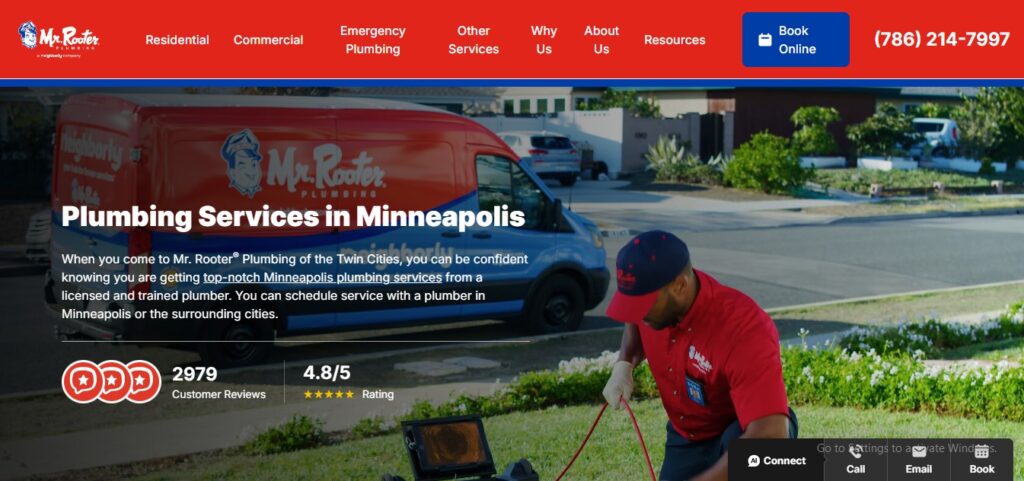
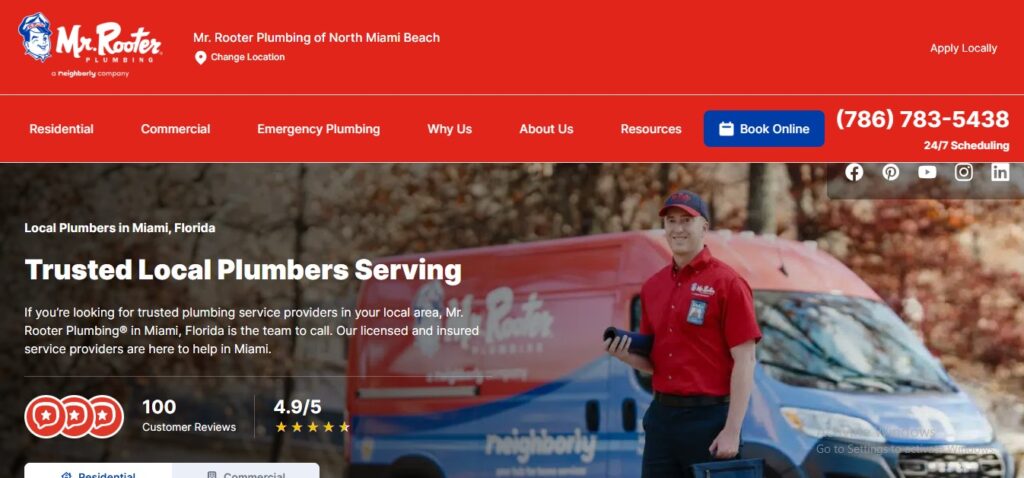
This also applies when service mixes are genuinely different. If one HVAC location focuses heavily on commercial contracts and another focuses almost entirely on residential installs, separating domains can keep positioning clean and prevent confusing crossover messaging.
In those scenarios, separate websites can provide:
- Clearer market specific positioning
- Operational independence
- Flexibility in local strategy
But those benefits only hold if each domain is treated like a fully funded marketing asset.
Where Multiple Websites Quietly Hurt SEO
Here is the part most businesses underestimate.
Every domain you launch must build its own authority. Backlinks earned in one city do not strengthen the others. Instead of building one increasingly powerful website over time, you are building several smaller ones.
In competitive home service markets, that split authority slows rankings.
Duplicate content compounds the issue. Many companies launch a second or third site and reuse large portions of their service pages, changing only the city name. Search engines recognize near-identical content across domains. Instead of strengthening visibility, you dilute it.
When One Strong Domain Becomes a Growth Engine
For most multi-location home service companies, one well-structured domain wins.
Not because it is easier.
Because it compounds.
But and this matters, it only works when it is built correctly. A single sloppy website with generic city pages will not outperform anything. A strategic one will dominate. Let’s unpack why.
Why a Single Domain Often Wins in SEO
When you keep all locations under one primary domain, you are stacking authority instead of spreading it thin.
Every backlink strengthens the same root domain. Every blog post builds topical depth for the same site. Every citation reinforces one brand.
That consolidation creates momentum.
Take a brand like ARS/Rescue Rooter. Their multi-location structure sits under one primary domain with robust location pages. When one market earns press coverage or backlinks, the entire domain benefits. Authority compounds.
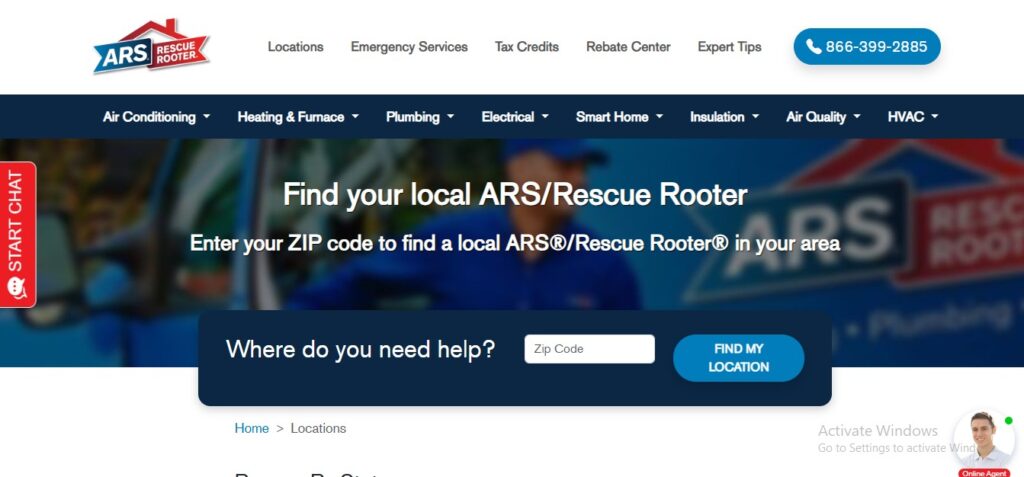
That makes ranking for competitive terms like emergency AC repair or plumber near me significantly easier over time.
Here’s what a strong centralized model typically does well:
- Consolidates authority under one domain
- Builds a stronger backlink profile
- Makes it easier to rank competitive service terms
- Uses internal linking to pass authority between service pages and location pages
Now layer in local landing page strategy.
Instead of spinning up separate websites, high performing companies build structured service area silos:
Each location page links to city-specific service pages. Each service page links back to its city hub. That internal structure sends clear relevance signals to Google. This is how you build home service websites that convert while still dominating locally.
And here is the operational advantage most owners underestimate.
Separate sites increase maintenance overhead 2 to 3 times due to duplicated content updates and hosting. Single sites with location pages cut administrative time by 50 to 70 percent through centralized tools and shared infrastructure.
That is not theory. That is real time savings in content updates, schema implementation, hosting, and tracking. The ROI difference shows up too. Businesses tracking directory-sourced conversions from unified sites see 2.3x higher ROI than fragmented setups. Authority plus centralized tracking equals stronger performance.
Where Single Site Strategies Fail Hard
A single domain is powerful. A lazy one is invisible. Here are the mistakes that quietly kill centralized strategies.
Thin location pages
If your Dallas page is 250 words with swapped city names and no local proof, Google sees that as placeholder content. It will not rank well in competitive markets.
No unique local content
High performing companies include:
- Local testimonials
- City-specific case studies
- Local team photos
- References to neighborhoods and service areas
Look at how Benjamin Franklin Plumbing structures many of its location pages. They emphasize city-specific trust signals rather than generic boilerplate.


Poor URL structure
A clean siloed structure like:
/locations/dallas
/plumbing/dallas
is stronger than a messy structure buried in random subfolders.
Google evaluates location relevance through URL signals, internal linking, and on page content consistency. If those signals are weak, rankings suffer.
No localized service pages
One big mistake is having one general plumbing page and then separate city pages that do not tie directly to city-specific services.
Google prefers alignment. A Dallas plumbing service page linked clearly to a Dallas location hub reinforces geographic intent. Generic service pages do not send the same signal.
Weak internal linking
Internal links are not just navigation. They distribute authority.
Strong single site models connect:
Service pages to city pages
City pages to related services
Blog content to both
That interconnected structure reinforces topical depth and geographic clarity.
Decision Framework: Which Model Fits Your Growth Stage?
This is where we stop talking theory and start making a call.
The structure you choose should match your growth stage, your ownership model, and your ambition. Not your gut. Not what your competitor did. Not what “feels” more local.
Here’s the practical breakdown.
Choose Multiple Websites If…
Separate domains make sense when separation is already built into the business.
- Locations operate independently
- Ownership or branding differs
- Services vary significantly by market
- Each city has its own serious SEO budget
If your Dallas branch runs like a different company than your Phoenix branch, separate sites can reduce internal conflict. Each team can control messaging, campaigns, and positioning without stepping on each other.
In this structure, you are essentially running multiple marketing engines. That only works if each engine has fuel.
If you cannot invest in content, links, and optimization for every domain, the structure will outpace your resources. And that is when you end up with a website not converting leads because it never gained enough authority to rank in the first place.
Choose One Central Website If…
For most growing home service companies, one domain is the smarter move.
- Same brand across locations
- Shared service offerings
- You want compounded authority
- You are scaling aggressively
When everything lives under one root domain, authority stacks. Every backlink strengthens the same asset. Every blog post builds depth for the same brand. Every location page reinforces a unified signal.
That compounding effect is powerful.
Instead of building three mid tier websites, you build one dominant one.
It also reinforces something most contractors underestimate. Consistency will make you money. When customers see the same brand voice, same design, and same experience across markets, trust increases. And trust increases conversions.

The Hybrid Model: When It Actually Makes Sense
There are edge cases.
- A national brand with strong regional sub-brands
- Enterprise-level expansion with semi-autonomous divisions
- Different verticals operating under one parent company
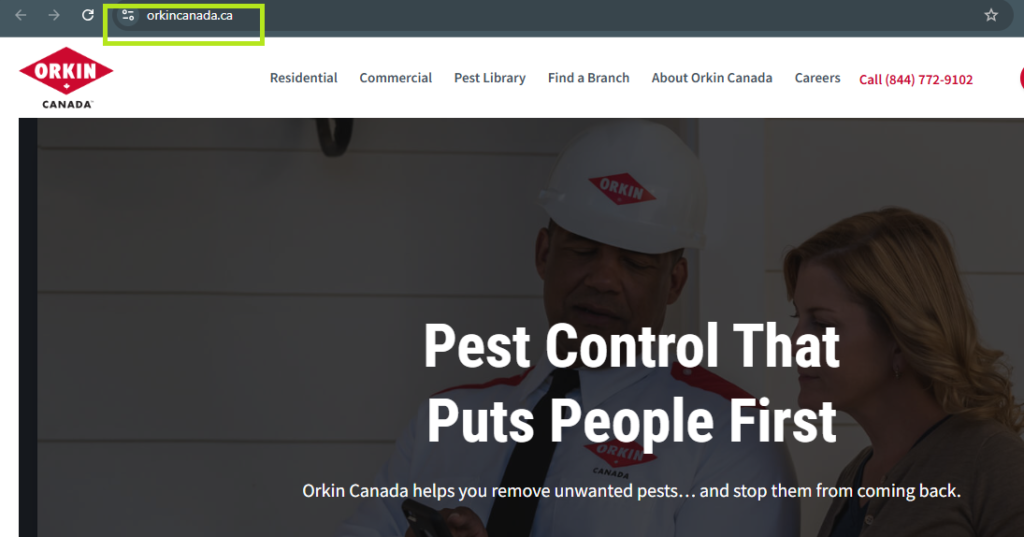
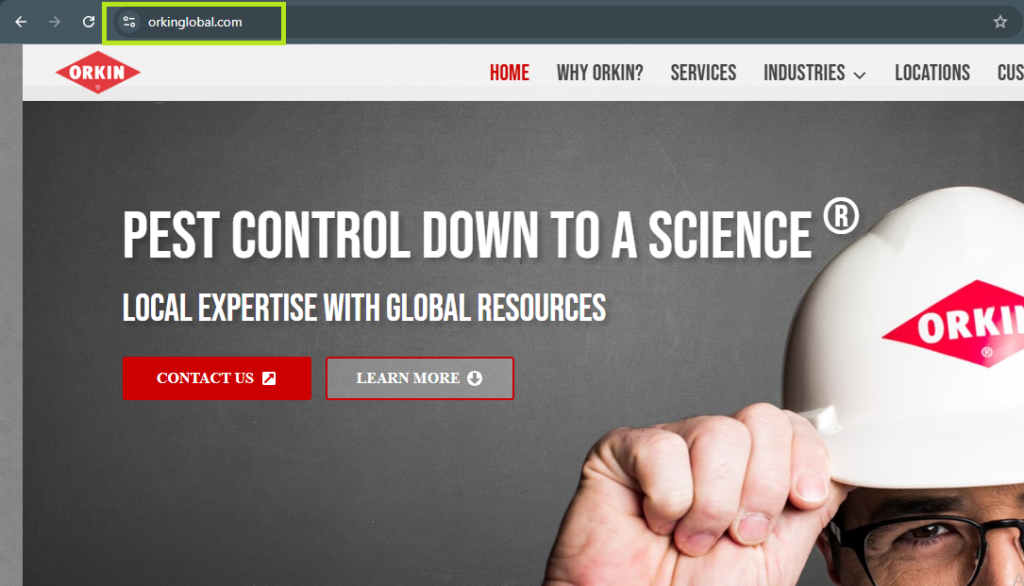

In these scenarios, hybrid structures can make sense. One parent domain may house multiple branded sections or subbrands.
But let’s be clear.
This is not typical for most HVAC, plumbing, roofing, or pest control companies. Most multi-location home service businesses do not need enterprise-level complexity.
They need clarity, authority, and focus.
Your Website Structure Will Either Compound or Complicate
This decision is bigger than design.
It affects rankings.
It affects lead flow.
It affects how fast you can scale.
Choose the wrong structure and you split authority, increase overhead, and make growth harder than it needs to be. That is when you start asking why traffic stalled or why your website not converting leads in new markets.
Choose the right one and momentum builds. Authority compounds. Expansion feels cleaner instead of chaotic.
If you are opening new locations or rethinking your digital foundation, do not guess. Book a call with Hook Agency and let’s evaluate the best website structure for your multi-location growth strategy before you lock yourself into the wrong move.