
Trying to choose an SEO company in 2026 as a roofer, HVAC, or plumbing business is exhausting.
Every agency claims they’ve “adapted to Google.”
Everyone is selling AI-driven SEO.
Very few can show consistent local leads.
The fallout is real. 44% of small business owners switch SEO providers because results never show up. Even more telling, only 30% would recommend the agency they’re working with. That’s what happens when outdated tactics get rebranded instead of replaced.
In 2026, SEO is faster, more local, and far less forgiving. Google rewards real authority, real proximity, and real trust. Contractors who pick the wrong partner don’t just lose rankings. They lose time they can’t get back.
This isn’t a generic checklist. It’s a contractor-focused breakdown of how to choose the right SEO company right now. Built from what we see working today and what keeps failing in the field.
Let’s make sure your next hire actually moves the needle.
Step 1: Get Clear on the Result You Actually Want
Local leads or national traffic? Pick one.
Most contractors say they want “more traffic,” but what they really want is more booked jobs. That’s the crux of the issue. In 2026, SEO should drive revenue, phone calls, form fills, and actual leads. Random traffic from out-of-town users won’t do that for you.

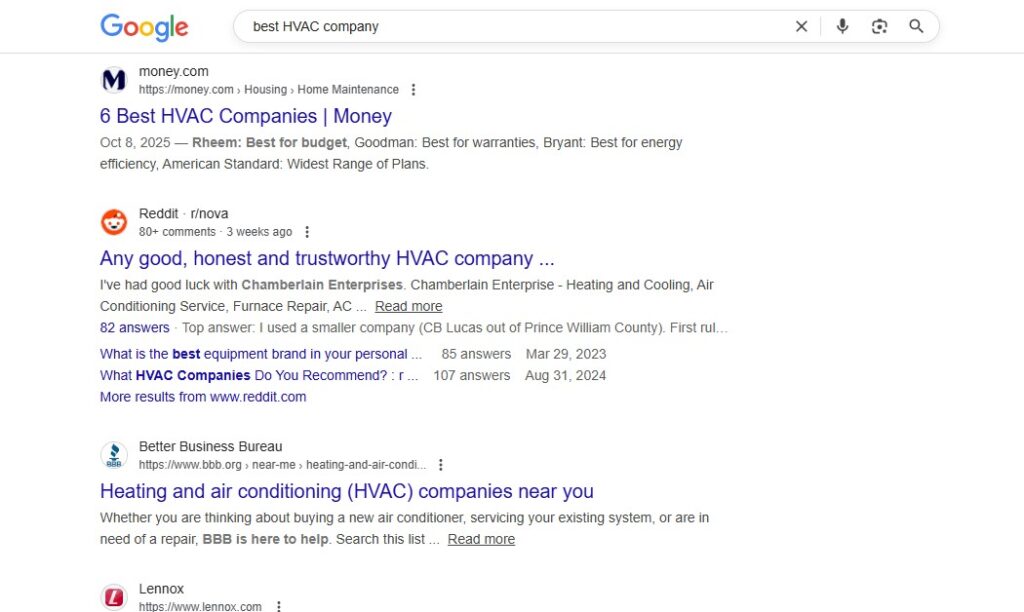
This highlights the difference between localized results that drive calls and generic terms that don’t convert.
Example 1: HVAC Company in One Metro
You run an HVAC business in a single city. Your goal? To get more calls from homeowners who need service right now.
Here’s what works:
- Ranking in the map pack for “AC repair near me”
- Showing up when someone Googles “HVAC near me in [Your City]”
- Optimizing your Google Business Profile so it converts views into calls
What doesn’t work? Ranking for “best HVAC company nationwide” or “air conditioning services” with no local context. That’s a national strategy that’s just not going to move the needle for a local business.
Example 2: Roofing Brand Expanding into Multiple Cities
Now you’re not just in one city. You’re spreading out to multiple areas. That’s when franchise SEO vs local SEO really matters.
Here’s the challenge:
You need to show up for multiple cities, each with its own competition and local search behavior. You can’t just slap up a generic site and hope for the best. You need location-specific content, each city gets its own pages, reviews, and local authority signals.
Key takeaway: If an agency can’t explain how their strategy ties directly to revenue like booked jobs and leads in your service area, then they’re not the partner you need. Keep walking.
Step 2: Prove They’ve Done Local SEO for Home Services
Home service SEO is a different beast. Unlike ecommerce or SaaS, it’s about getting local leads who need your services now. If an agency doesn’t understand this, they’re not the right fit.
In 2026, local SEO for home service businesses is more crucial than ever. If the agency hasn’t mastered local SEO strategies, your phone isn’t going to ring.
What real experience looks like in 2026:
- Google Business Profile Optimization
18 million U.S. businesses use Google Business Profile, and Google connects customers to them about 2 billion times per month via calls, directions, and bookings. If your profile isn’t optimized, you’re leaving leads on the table. Make sure your agency knows how to:
- Fully optimize your profile
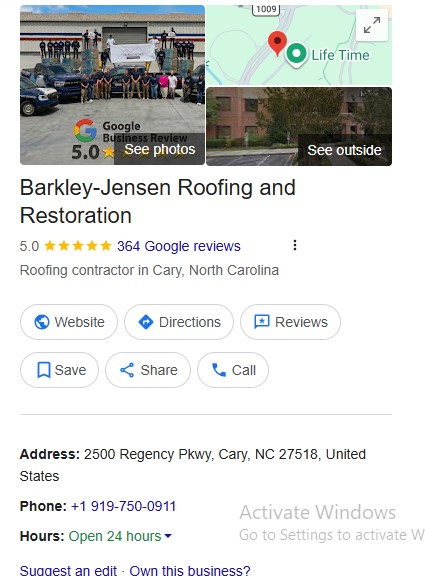
- Keep it fresh and updated
- Respond to reviews in a way that builds trust

- City and Service Page Strategy
This isn’t about a generic homepage. For local SEO to work, you need city-specific pages and service-specific pages that show Google and customers exactly what you do in each location. If your SEO partner isn’t building these out, they’re not targeting the right search terms.
- Review Generation That Doesn’t Break Google Rules
Reviews are still one of the most powerful local ranking signals. But getting them right is key. Avoid shady tactics like fake reviews or incentivized ones that could get you penalized. A good agency will have a strategy to encourage genuine reviews without violating Google’s guidelines.
Step 3: Transparency, Reporting, and the Truth About AI SEO
In 2026, SEO isn’t about using fancy AI buzzwords to sell you a dream. AI cannot fix bad marketing. If an agency says “Our AI does everything,” it’s a huge red flag. Good SEO reporting should give you clear, measurable results, not vague promises.
Here’s what good reporting actually looks like:
- Rankings that matter: The ones that drive calls, form fills, and booked jobs, not just random keywords.
- Calls and form submissions: Real metrics that show SEO is working for your business.
If all you’re getting are vague dashboards with no connection to actual business outcomes, it’s time to question what’s really happening behind the scenes.

AI can support content and research, but it will never replace strategy, human insight, or accountability. If your agency is relying on AI as a magic solution without real results, you’re not getting the full picture. You’re hiring a partner, not a black box. If they can’t show how SEO is driving leads and revenue, it’s time to walk away.
Step 4: Pricing Models That Signal Quality vs. Risk
If you’re looking for SEO that actually works, don’t expect to find it in the “budget” bin. Most contractors get hit with two common pricing models:
- Monthly retainers
- One-time SEO packages
Both can work, but if it’s too cheap, you’re likely getting shortcuts. SEO isn’t a quick fix; it’s an investment in long-term growth. On the flip side, overly complex pricing can mean they’re hiding the real value.
At Hook Agency, we believe in transparent, results-driven pricing. We focus on local SEO that actually drives leads and jobs. If an agency can’t explain how their pricing ties to real business results, it’s time to keep looking. Good SEO doesn’t come cheap, but it pays off.
Step 5: SEO Red Flags Contractors Still Fall For
When it comes to SEO, there are clear deal-breakers. If you hear any of the following, don’t just walk away, run.
- Guaranteed Rankings
If someone promises top rankings, they’re either lying or using shady tactics. No one can guarantee this.
- Link Schemes and “Private Networks”
Google’s algorithm is smarter than this. These tactics will get you penalized.
- AI-only SEO
AI is a tool, not a strategy. Without human oversight, it’s just tech trying to do the thinking for you.
- Agencies That Refuse to Explain Their Process
If they’re not transparent about what they’re doing, it’s a huge red flag. You should always understand how they plan to get results.
Step 6: Smart Questions to Ask Before You Sign Anything
Asking the right questions helps you get the clarity you need to make a confident decision. Here are a few you can’t afford to skip:
- How do you measure success for a local contractor? SEO should always be tied to trackable ROI. Are they ready to show it?
- What will you actually do in the first 90 days? A good SEO agency should have a clear, actionable plan from the start.
- Who owns the content and assets if we part ways? Make sure you retain ownership. You’ve paid for it, it’s yours.
- How do you adapt when Google changes the rules? SEO isn’t static. Stay ahead of the biggest SEO trends for 2026. They should have a strategy for change.

Step 7: How to Compare SEO Companies Without Second-Guessing Yourself
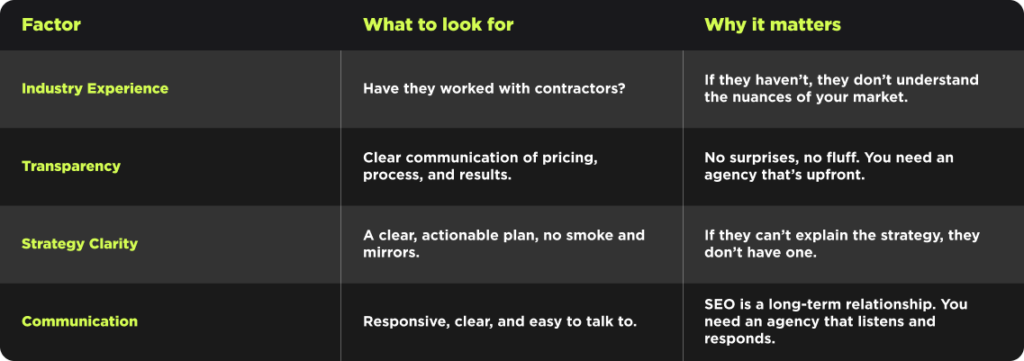
Create a simple scorecard. It’ll make the decision crystal clear.
Trust your gut. If it feels off, don’t second-guess yourself. 91% of contractors realize after six months that they’ve been using outdated SEO approaches. Don’t wait to make the wrong choice.
The Right SEO Partner Feels Boring in the Best Way
If you’ve been burned by SEO before, we get it. Too many contractors have fallen for the flashy pitches and empty promises. SEO in 2026 isn’t about gimmicks; it’s about trust, local expertise, and results that speak for themselves: more leads, more jobs, and real growth.
No hype. No shortcuts. Just a strategy that works, built to last.
Want to make sure SEO is the right move for your business? Schedule an intro call with Hook Agency. No pressure, just a straightforward conversation to figure out if SEO is your best growth channel before you commit.