
Originally published January 27, 2025. Updated November 5, 2026.
The short answer
The best roofing shoes grip shingles without damaging them, flex enough to walk pitches all day, and protect your feet. Many roofers swear by Cougar Paws for steep roofs, while sales reps often prefer lighter, soft-soled shoes for inspections.
- Soft, grippy soles protect the roof and you
- Replace worn soles before they slip
- Always pair good shoes with fall protection
Roofing demands the right tools and gear to ensure safety and efficiency. Among the most critical? Footwear. The right shoes can prevent slips, increase comfort, and protect both roofers and the surfaces they’re working on. Below, we highlight some of the best shoes for roofing, with expert insights and real-world recommendations from professionals. Plus, we include bonus tools like The Pitch Hopper and Steep Gear Pants that make roofing tasks even easier.

1. Cougar Paws Roofing Boots: The Industry Standard for Safety and Comfort
Cougar Paws are a favorite among seasoned roofers for their patented traction pads, designed to grip shingles, tiles, and other roofing materials. These boots are built for steep-pitch roofs and are highly valued by professionals who prioritize safety and surface protection.
Why Roofers Love Them
- Exceptional grip on steep surfaces.
- Replaceable traction pads extend the boots’ lifespan.
- Cushioned sole for all-day comfort.
Real-World Advice
Gino Henderson of Topshelf Construction swears by Cougar Paws for their ability to protect shingles during hot weather:
“When it’s hot out I wear Cougar Paws so I don’t scar up the shingles. 30 years experience, don’t let nobody shame you for your Cougar Paws, big dog.”
Scott Toups of Disaster Proof Roofing agrees:
“May through September, every one of my guys better have a cushion or Pitch Hoppers to stand on at all times.”
Best For
Roof installations, steep-pitch repairs, and summer roofing projects where shingle integrity is key.
2. Lacrosse Alpha Deck Boots: Versatile for Inspections and Medium Pitches
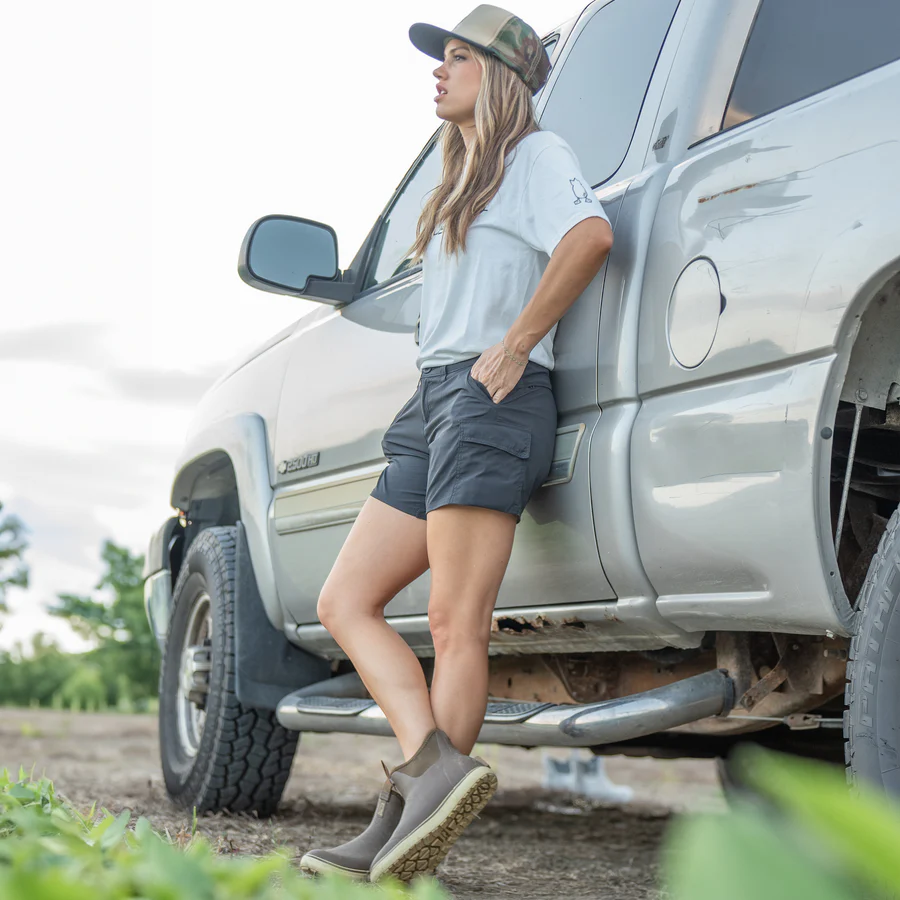
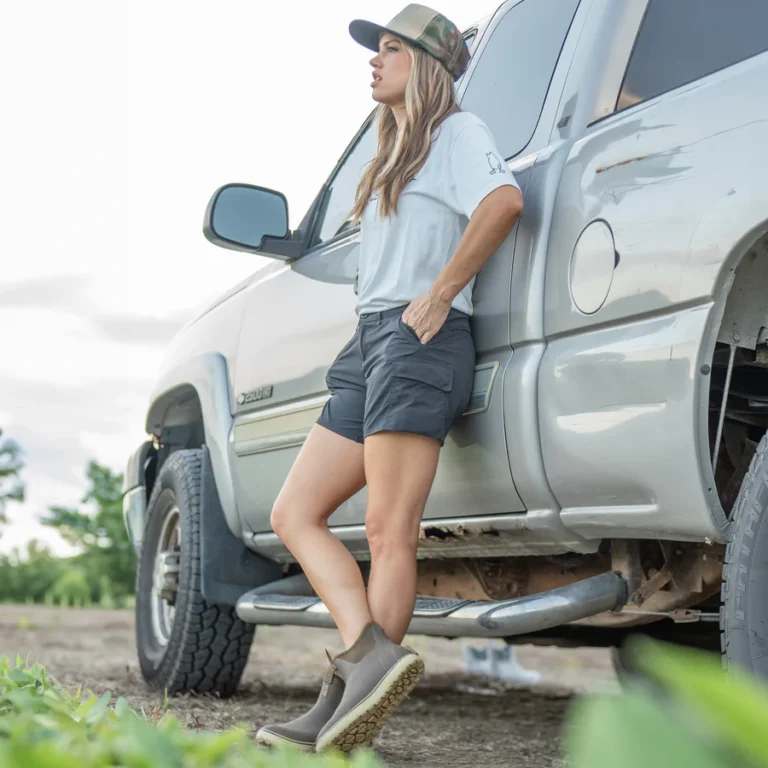
Lacrosse Alpha deck boots might not be the first shoes that come to mind for roofing, but they’re a solid choice for morning inspections and working on moderate-pitch roofs. Their lightweight design and waterproof construction make them especially practical for early-day tasks.
Why Roofers Love Them
- Excellent grip for walking valleys or hips.
- Waterproof, making them ideal for damp mornings.
- Durable and comfortable for all-day wear.
Real-World Advice
Scott Toups shares his routine for different roofing tasks:
“Lacrosse Alpha deck boots for morning inspections, then Nike Frees for up to 9/12 pitch. Anything over that, Cougar Paws and Pitch Hoppers. I’ll walk a 12/12 hip or valley comfortably with deck boots though. I often find myself wearing deck boots all day.”
Best For
Morning inspections, low-to-moderate-pitch roofs, and roofers looking for an all-day option.

3. Skater Shoes: Affordable and Great for Flat or Low-Pitch Roofs
Skater shoes like Vans or DCs are a surprising yet popular choice among roofers. Their flat soles provide consistent grip, making them ideal for flat roofs or low pitches. While they’re not as durable as work boots, they’re lightweight and easy to replace.
Why Roofers Love Them
- Flat soles offer excellent grip on flat or slightly sloped roofs.
- Affordable and easy to find.
- Comfortable and lightweight.
Real-World Advice
Caleb Oberg emphasizes choosing the right sole:
“Skater shoes, my favorite are DCs. Nike can be great too. Just look at the sole and find something without curves and nubs. Flat soles are best as long as it’s not an old worn-down shoe with no pattern left, or you could find yourself in a granule skating park.”
Best For
Flat roofs, inspections, and lightweight, casual tasks.
- Leads from Google, Maps and AI search
- Nobody else is buying the same lead
- You own your website and ad accounts
“Hook Agency has been an incredible partner for our digital marketing growth.”
Kristin Sullivan, Bob’s ACFocused on the map? See Google Maps SEO
4. Nike Frees: Lightweight and Reliable for Moderate Pitches
Nike Frees, though not marketed for roofing, are a trusted option for professionals working on moderate-pitch roofs. Their lightweight design and solid traction make them a go-to for roofers looking for flexibility and comfort.
Why Roofers Love Them
- Lightweight and breathable, great for hot days.
- Provide flexibility for agile movement.
- Reliable grip for pitches up to 9/12.
Real-World Advice
Scott Toups includes Nike Frees in his rotation for specific pitches:
“Nike Frees for up to 9/12 pitch. Anything over that, Cougar Paws and Pitch Hoppers.”
Best For
Moderate-pitch roofing tasks and those who prefer lightweight footwear.
5. Merrell Moab Vent Hiking Shoes: Great for Metal Roofs and All-Day Wear
Merrell Moab Vent hiking shoes (now in their Moab 3 version) offer solid grip and all-day comfort, making them a great choice for roofing tasks that involve long hours or varied materials. Their ventilated design also keeps feet cool in warm weather.
Why Roofers Love Them
- Vibram soles provide traction on slippery surfaces like metal roofs.
- Lightweight and breathable for long days.
- Comfortable fit minimizes fatigue.
Best For
Metal roofs, warm climates, and roofing projects that require extended wear.
Bonus Gear for Roofing Professionals
The Pitch Hopper: Essential for Quick and Safe Roof Work
The Pitch Hopper is a tool that provides a stable, cushioned surface for roofers working on steep slopes. It’s portable and reduces fatigue, making it perfect for lighter tasks like repairs and inspections.
- Best Use: Short-term work on steep-pitch roofs.
- Why Roofers Love It: Protects roof surfaces and reduces strain on knees and legs.
Steep Gear Pants: A Fun but Functional Novelty
These pants, designed with roofers in mind, offer reinforced knees and pockets specifically for roofing tools. While not essential, they’re a great conversation starter and practical for those looking to combine style with function.
- Best Use: Casual or light-duty roofing work.
- Why Roofers Love Them: Durable and roofer-specific design.
Roofing shoes by pitch: the quick picker
The roofers in this post don’t wear one shoe for everything. They switch based on the pitch, the surface and the time of day. Here’s their advice in one place.
Which roofing shoe for which roof
Pulled straight from the roofers quoted in this post. Match the shoe to the pitch and the conditions.
Swipe sideways to see every column →
| Roof or task | Shoe to reach for | Who recommends it |
|---|---|---|
| Flat or low slope | Skater shoes (flat, patterned soles) | Caleb Oberg |
| Morning dew, inspections | Lacrosse Alpha deck boots | Scott Toups |
| Up to 9/12 | Nike Frees | Scott Toups |
| Over 9/12 | Cougar Paws plus Pitch Hoppers | Scott Toups |
| Hot days on new shingles | Cougar Paws (soft pads won’t scar shingles) | Gino Henderson |
| Metal roofs, long days | Merrell Moab Vent (Vibram soles) | Hook’s pick |
Shoes for sales reps vs. installers
A sales rep and an installer don’t need the same shoe. A rep might climb six roofs a day for inspections, then walk into a kitchen for the presentation. Lightweight, soft-soled shoes like Nike Frees or skater shoes work well, and they look normal at the table. Keep a clean pair in the truck so you’re not tracking granules into the customer’s house.
Installers spend all day on the pitch, often in heat that softens shingles. That’s where Cougar Paws, deck boots and Pitch Hoppers earn their cost. Comfort matters more over an eight-hour day than a short inspection, so pay for cushioning and replace worn pads early.
When to replace your roofing shoes
Worn-out soles are where slips start. Caleb Oberg put it best: a shoe with no pattern left turns a roof into “a granule skating park.” Check your soles every week during the busy season.
- The tread is smooth in the ball of the foot. That’s where you push off on a pitch. When it goes flat, replace the shoe.
- Traction pads are torn or peeling. On Cougar Paws, replace the pads before they let go.
- Granules are packed into the sole. Clean them out. If they won’t come out, the rubber is breaking down.
- Your feet hurt by noon. A crushed midsole means less control and more fatigue on steep work.
Good shoes are not fall protection
The best grip in the world won’t save you from a bad step on a steep roof. OSHA requires fall protection for construction work at 6 feet or more, and for roofers that usually means a harness, anchor and lifeline, or guardrails and safety nets. Treat your shoes as the first layer of safety, not the only one.
For crews, make footwear part of your safety talk at the start of the season: what shoes work on which roofs, when to replace them and who to tell if someone’s soles look worn. It costs nothing and it prevents the kind of slip that ends a season.
Final Thoughts: Find the Right Shoes and Gear for the Job
Roofing footwear is more than just a choice; it’s a tool that directly impacts your safety, efficiency, and comfort. Whether you’re opting for the reliability of Cougar Paws, the versatility of Lacrosse Alpha deck boots, or the comfort of skater shoes, the right gear can make a world of difference.
For roofers looking for an edge in the market or seeking ways to stand out, Hook Agency helps roofing businesses with SEO, Google Ads, and web design to elevate their brand and attract more customers. Let’s help your business climb to new heights, just like you do every day.