
Your next roofing, HVAC, or plumbing customer is on Facebook right now. Scrolling through their feed. Half-distracted. Not even thinking about their leaking roof or broken AC yet.
But something will grab their attention. Will it be your ad? Or your competitor’s?
Most contractors either avoid Facebook Ads entirely or dump money into them with zero strategy and walk away convinced they don’t work. They do work. The platform isn’t the problem. The approach is.
Knowing how to advertise on Facebook is what separates contractors who generate consistent leads every single month from the ones constantly chasing their next job. It comes down to targeting the right people, showing them creative that stops the scroll, and building a funnel that turns clicks into booked calls.
Your competitors are already on the platform. Let’s make sure you’re showing up better.
Getting Your House in Order Before You Spend a Dollar
Before you touch your budget or write a single line of ad copy, you need the right foundation in place. Skip this and you’re driving blind. No idea what’s working, who’s converting, or where your money is actually going.
With a potential ad reach of 2.28 billion users and 31.1% of them in the 25 to 34 age bracket, the opportunity is massive. But none of that matters if your account is set up wrong from day one. Here’s what needs to be locked in before you launch anything:
- Set up Meta Business Manager first. This is your command center. Your ad account, pixel, pages, and billing all live here. Keep it clean and organized from the start.
- Install the Meta Pixel on your website. This small piece of code tracks what visitors do after seeing your ad. Without it, Facebook can’t optimize and neither can you. Once it’s installed, run it through the Facebook Pixel Helper to confirm it’s firing correctly on every page before you spend a single dollar.
- Define your conversions. Tell Facebook what a win looks like. For contractors that means form submissions, phone call clicks, and thank you page visits after a lead fills out a quote request.
- Keep your campaign structure simple. Campaign sets your objective. Ad Set defines your audience and budget. Ad is what people actually see. One campaign, two or three ad sets, two or three creatives each. Let the data do the work.
Facebook Ads Strategies for Contractors That Actually Work
Over 10 million active advertisers are running Facebook Ads right now, reaching 74% of total users. And 30 to 45% of small businesses advertise on the platform every single month. The competition is real. But most of them are doing it wrong. That’s your opening.
Find the Homeowners Who Need You Right Now
Broad targeting is how you burn budget fast. For contractors, every dollar needs to count. Here’s how to get surgical:
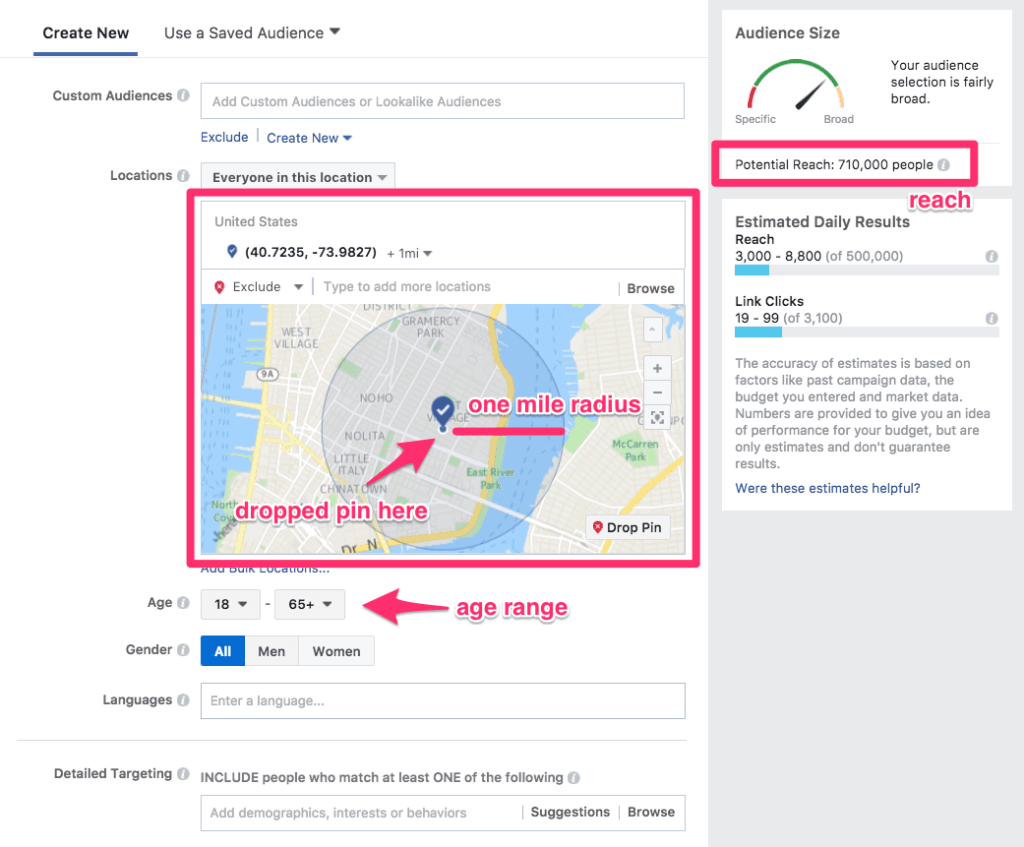
- Geo-target your actual service area. Not just your city. Draw a radius around the zip codes you actually serve and cut everyone else out.
- Layer in homeowner demographics. Age, household income, homeownership status. A 28-year-old renter is not your customer. A 42-year-old homeowner in a suburban zip code very likely is.
- Match targeting to the moment. Roofing? Target homeowners interested in storm damage or home improvement. HVAC? Think energy savings and seasonal comfort. Plumbing? Catch people mid-renovation.
- Retarget your website visitors. These people already looked you up. A strong retargeting ad with a solid offer is often all it takes. Most contractors never bother. That’s your edge.
Make Ads People Actually Stop Scrolling For
Two seconds. That’s what you get. Here’s what wins:
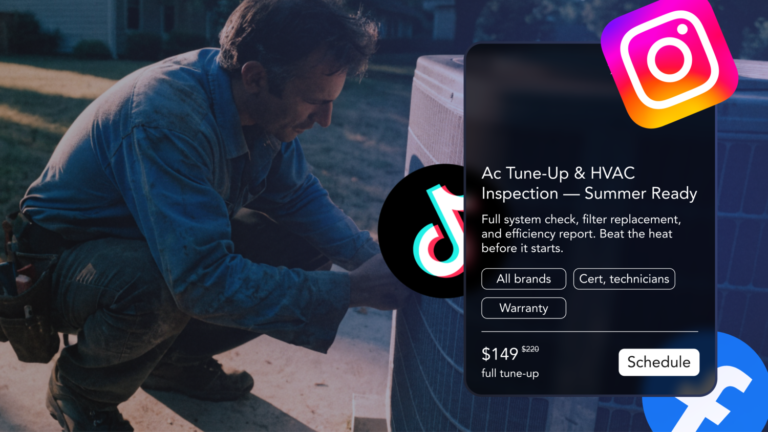
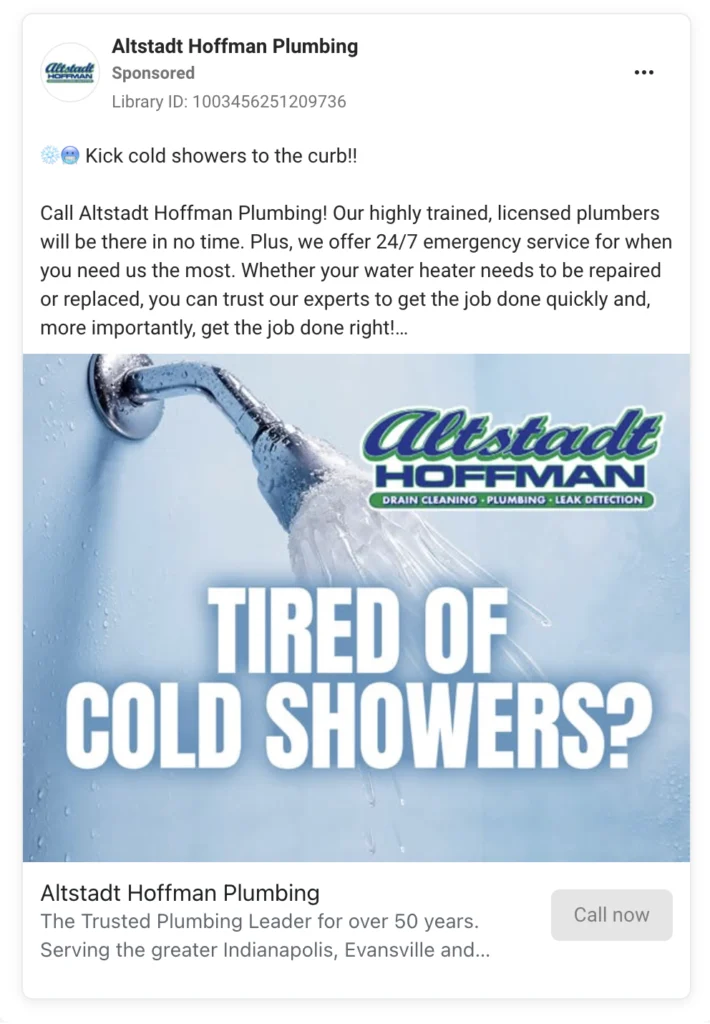
Before and after job photos are your single best asset. A split image of a damaged roof versus a clean finished install builds trust faster than any headline you write. Real beats polished every time.
Short video testimonials close the gap. 30 seconds of a happy homeowner talking about your crew beats a 3-minute corporate-style video. Shoot it on a phone. Authenticity is the point.
What kills performance? Stock photos. Vague headlines. Ads with no clear next step. If your ad could belong to any contractor in any city, it’s not working hard enough.
The good news: marketing with a small budget is absolutely doable here. Tight targeting and strong creative will always beat big budgets with lazy strategy.
Spend Less, Test More, Scale What Wins
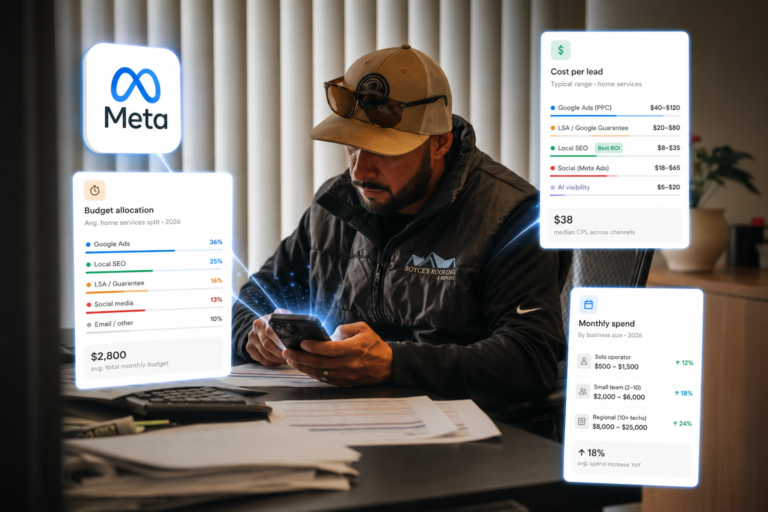
Start at $20 to $30 per day per ad set. Two or three ad sets puts you at $400 to $600 a month. That’s a realistic entry point with enough data to make real decisions.
Test one variable at a time. Different audiences across ad sets. Two or three creative variations within each. Change everything at once and you’ll never know what actually worked.
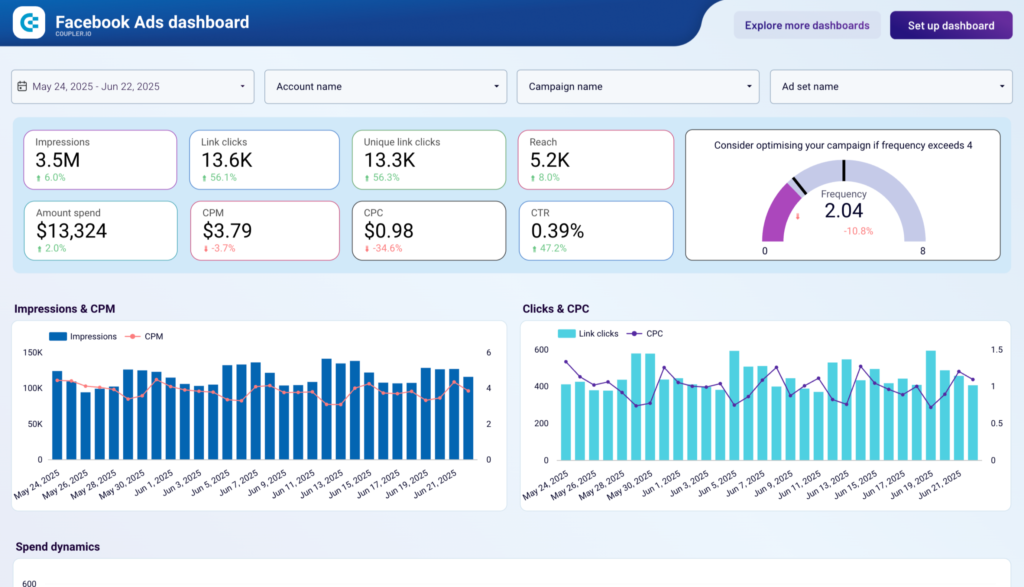
Watch your cost per lead, not just your click-through rate. CTR tells you people clicked. CPL tells you what a real prospect actually costs. That’s the number tied to revenue. And as PPC trends for contractors continue shifting with rising ad costs in 2026, keeping that CPL tight is more important than ever.
Give ad sets at least 7 days. Facebook needs time to exit the learning phase. Pulling the plug on day three is one of the most expensive mistakes contractors make.
Send Leads Somewhere That Actually Closes Them
Two options. Both have a place.
| Facebook Lead Forms | Landing Pages | |
| Friction | Low | Higher |
| Lead Volume | High | Lower |
| Lead Quality | Lower | Higher |
| Best For | Testing offers, building lists | Booked calls, serious prospects |
Whichever you use, connect it to your CRM immediately. A lead sitting in your dashboard for three days is a dead lead. Speed to follow-up is everything in home services.
Last thing: if you ever log in and find your Facebook page disappeared or your ad account restricted, don’t panic. It happens. Usually it’s a policy flag or payment issue. Meta has an appeals process. Document everything and keep a backup account ready just in case.

What’s Different About Facebook Ads in 2026
The platform you were running ads on two years ago doesn’t exist anymore. Meta is in the middle of a full transformation and if you’re still approaching Facebook Ads the same old way, you’re already behind.
Here’s what’s actually changed.
Meta’s ad revenue hit $58.1 billion in Q4, growing 24% year over year. That’s not a platform slowing down. That’s a machine getting more powerful and more expensive at the same time. Executives have openly positioned 2026 as a year of AI-driven organizational transformation, flattening teams and doubling down on the technology that makes their ads engine run.
They doubled the number of GPUs dedicated to training their Generative Ads Recommendation Model alone. The result? A 3% lift in clicks on Facebook and a 1% boost to conversions on Instagram. Small numbers on paper. Massive at scale.
What does that mean for you as a contractor?
Advantage+ is no longer optional.
Meta’s AI-powered campaign tool is now the default way the platform wants you to advertise. It automates audience targeting, creative combinations, and placements. For contractors with limited time to manage campaigns manually, it can genuinely perform well. But it also needs strong creative input to work from.
Feed it weak photos and generic copy and the AI will optimize garbage efficiently. Give it real job photos, strong offers, and authentic video and it has something to work with.
CPMs are rising and they’re not coming back down.
More advertisers, more competition, higher costs per thousand impressions. The contractors who stay profitable are the ones tightening their creative quality, narrowing their targeting, and obsessing over cost per lead rather than vanity metrics.
First-party data is your biggest competitive edge right now.
Email lists, CRM audiences, past customer data. Upload them. Build lookalikes from them. With privacy changes continuing to limit third-party tracking, the contractors who own their audience data are the ones who will win at targeting in 2026 and beyond.
Short-form video has taken over.
Static images still work but video is where the algorithm rewards you with cheaper reach and higher engagement. Fifteen to thirty-second clips of real jobs, real crews, real results. Shot on a phone. Posted consistently. That’s what’s cutting through right now.

Your Next 10 Leads Are Already on Facebook
Most contractors are either not running ads or running them into the ground. That gap is your opportunity.
The strategy is all here. The only question is whether you execute it yourself or bring in a team that’s already done it a hundred times for businesses exactly like yours.
Hook Agency works exclusively with contractors. We know the audiences, the creative that converts, and the budgets that actually make sense for local service businesses. No guesswork. No learning curve at your expense.
Ready to make Facebook work for your business? Schedule a call with Hook Agency and let’s build a campaign that fills your pipeline.