
Did you assume that Google search is dead? No, it didn’t stop working; it just stopped behaving predictably. The ranking factors that worked for home service contractors before COVID-19 may no longer deliver the same results.
In 2026, contractors are still investing in SEO. Pages still rank. Keywords still move. But the connection between rankings and leads is no longer linear. AI-generated answers now shape decisions before a homeowner ever clicks. Sometimes there is no click.
That’s why tracking AI search visibility isn’t optional anymore. It’s how you understand whether search engines see your business as trustworthy enough to recommend, not just relevant enough to rank.
This guide breaks down how to track AI search rankings properly in 2026, i.e., what to measure, what tools help, and how to report on visibility that actually impacts leads.
Why You Should Track AI Search Rankings in 2026
Did you know that half of all Google searches include AI summaries? This number will be 75% by 2028.
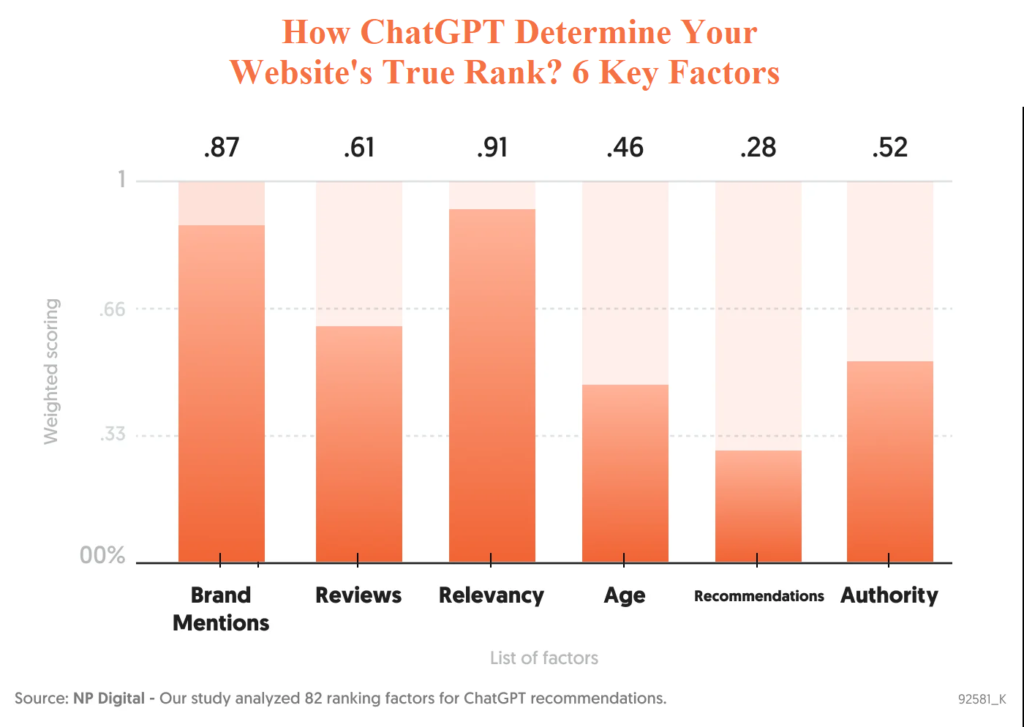
Ranking is no longer the finish line in the world of ChatGPT-determined website rankings. In fact, some experts believe that AI agents will have a monopoly over digital marketing in the next 5 years.
AI-driven search experiences, including Google’s Search Generative Experience (SGE), AI Overviews, Bing Copilot summaries, and voice responses, often answer questions directly in the results. When that happens, the homeowner doesn’t evaluate ten options.
- They’re shown one explanation.
- Sometimes two or three businesses.
- Sometimes just guidance without names.
If your business is included in that explanation, you gain instant authority. If you’re excluded, rankings alone won’t save you. This matters most for:
- Emergency searches (“AC not cooling, what do I do?”)
- Cost questions (“How much does furnace replacement cost?”)
- Decision-stage queries (“Repair or replace water heater”)
These are the searches that generate calls. And they’re increasingly answered by AI before a website is visited. Tracking AI visibility tells you whether your SEO work is influencing decisions or just maintaining appearances.
Why Traditional Rank Tracking Falls Short in 2026
Classic rank trackers were designed for a simpler era. They assume: Search → results → click → visit. AI breaks that assumption. Today, a page can rank well and still lose traffic because:
- An AI summary satisfies the question
- A competitor is cited instead
- A featured answer replaces the need to browse
Rank trackers still tell you where you stand. They no longer tell you whether you’re seen. This creates false confidence. Rankings look stable while leads decline. Reports look healthy while exposure shrinks. AI visibility doesn’t replace traditional tracking. It explains why traditional tracking no longer tells the full story.
That’s why you need the latest tools that track AI and SGE visibility. After all, half of your potential clients are probably asking ChatGPT for the nearest plumber.

Tools That Help Track AI and SGE Visibility
There’s no perfect tool yet. Anyone promising full AI rank tracking is guessing. But several tools help surface useful signals when used correctly.
SEOTesting: Measuring Impact, Not Just Position
SEOTesting excels at identifying performance changes tied to SERP shifts. It helps you:
- Compare traffic before and after AI Overviews appear
- Identify pages that lose clicks without losing rank
- Test whether content updates improve AI-driven visibility indirectly
It’s especially useful for diagnosing why traffic changes happen, not just that they happen.
SERPWatcher and Wincher: Contextual Ranking Data
These tools still matter, just differently. They can help you track:
- Featured snippet ownership
- Ranking volatility on AI-triggering keywords
- Patterns where stable rankings coincide with declining clicks
They provide context, not conclusions. AI visibility lives between rankings and engagement.
Manual Tracking: Still the Most Reliable Signal
The most accurate AI tracking is still manual. Manual tracking includes:
- Weekly searches for priority keywords
- Screenshots of AI summaries
- Notes on which businesses are mentioned and why
- Patterns across similar queries

How To Interpret AI Visibility Versus Traditional Rankings
This is where most reporting needs to evolve. Traditional rankings measure relevance. AI visibility measures trust. A site can be relevant and still not cited. AI only references sources it can explain confidently. When reviewing performance, separate the questions:
- “Do we rank?”
- “Do we get referenced?”
- “Does AI explain our service correctly?”
Those answers are often different. If rankings hold but AI ignores your brand, the issue isn’t SEO mechanics. It’s clarity, authority, or trust signals.
What You Should Be Tracking Instead of Vanity Metrics
Featured Snippets
Featured snippets are frequently pulled into AI answers verbatim. That’s why you should track:
- Which pages own them
- Which competitors replace you
- How often does snippet loss coincide with traffic drops?
Snippet ownership is no longer optional. It’s AI training data.
People Also Ask (PAA)
PAA questions show how Google understands user intent. If your content answers these questions clearly:
- AI learns how to frame your expertise
- Your explanations become reference material
We suggest that you start tracking these metrics:
- Which PAA questions your pages appear in
- Which questions do competitors dominate?
- Gaps where no clear answer exists

AI Summaries and Snapshots
Manually review AI answers for:
- Brand mentions
- Service descriptions
- Accuracy of explanations
- Competitor framing
If AI explains your service incorrectly, fix the content. If AI ignores you, fix the authority.
How To Audit Content for AI Relevance and Citation Readiness
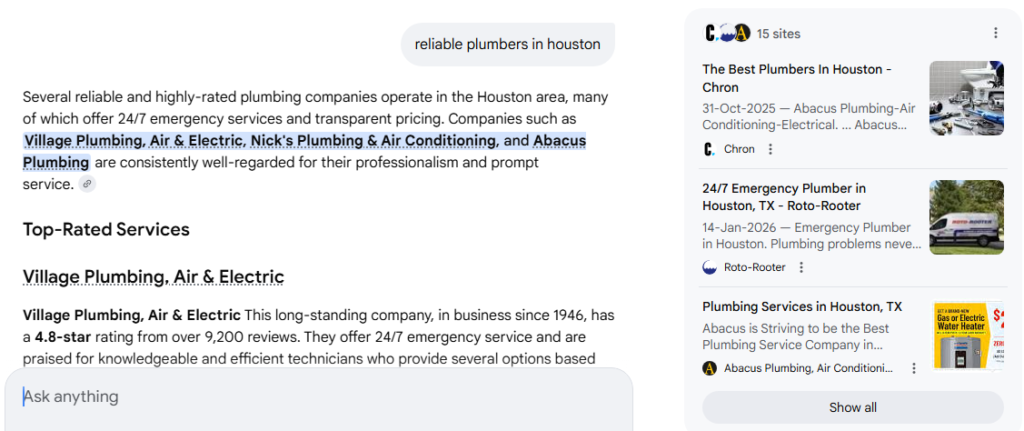
AI doesn’t “read” your site like a human. It evaluates clarity, structure, and consistency. So, we can say that content quality still matters in the age of AI (don’t kid yourself by assuming that AI can be fooled into ranking subpar content). But what sort of content is valuable and rank-worthy for AI is determined by certain factors.
Entity Clarity Comes First
Every core page should clearly communicate:
- Who you are
- What service do you provide?
- Where you operate
- When the service is needed
- Why your business is qualified
If AI can’t summarize your page in one sentence, it struggles to reference it.
Structure Beats Clever Copy
Long, flowing marketing copy slows AI down. Use:
- Clear H2s that answer specific questions
- Short paragraphs
- Direct explanations
- Logical progression
This isn’t about dumbing content down. It’s about making expertise usable.
Credibility Is Cross-Checked
AI validates your site against:
- Reviews
- Citations
- Brand mentions
- Consistent service descriptions
Strong content without off-site confirmation limits AI trust.
How To Set Up SEO Reporting That Includes AI Insights
This is where most contractors feel lost. Reports say “ranking improved.” Reality says “calls slowed.” You should fix the gap.
Weekly AI Visibility Checks
Every week:
- Search priority keywords
- Review AI summaries
- Note brand mentions or exclusions
- Track snippet changes
This takes minutes and prevents months of blind spots.
Monthly Reporting That Reflects Reality
Monthly SEO reports should now include:
- Traditional rankings
- Featured snippet ownership
- AI summary observations
- Traffic trends tied to AI SERP features
You’re reporting influence, not just position. That’s what leadership decisions require.
3 Common Mistakes When Tracking AI Search
- Relying on Tools Alone
Dashboards lag reality. AI changes faster. Manual review is still essential. Also, don’t forget about the location factor in AI rankings. For instance, California leads in ChatGPT searches, so you may face more competition than usual if your company is based in San Diego.
- Tracking Everything Instead of What Matters
Not every keyword triggers AI. Focus also on these metrics:
- High-intent services
- Cost questions
- Emergency scenarios
- Decision-stage searches
That’s where AI shapes leads.
- Ignoring Local Authority
AI is cautious with recommendations. Weak reviews, inconsistent NAP data, or unclear service areas reduce visibility—even with strong content. Local SEO feeds AI trust directly.
The Real Goal of AI Rank Tracking
This isn’t about rankings. It’s about being trusted enough to be explained. AI search decides which businesses are framed as competent before a homeowner ever clicks. Tracking AI visibility shows whether search engines see your business as safe to recommend. That’s a higher standard than ranking. And a more valuable one.

Track What Shapes Decisions Before AI Makes Them for You
AI search isn’t killing SEO. It’s raising the bar. The contractors who win in 2026 won’t chase every tool or trend. They’ll track what actually influences trust, clarity, and visibility where decisions start. Rankings still matter. AI visibility matters more. Clarity connects them.
If you want help building SEO tracking and reporting that reflects how search actually works now, Hook Agency can help you do it without hype, shortcuts, or wasted effort. Because the goal isn’t more data. It’s staying visible when AI decides who gets recommended. If you want to get deeper into the rabbit hole of AI and SGE, contact Hook Agency right away.