
Social media feels like work with no payoff. You post. Nothing happens. A few likes. No calls. So it’s easy to assume it doesn’t work. The truth is, most contractors aren’t failing at social. They’re expecting it to do the wrong job.
Nearly 80% of home service businesses use platforms like Facebook, Instagram, and Nextdoor to stay visible and generate buzz. Yet most still feel frustrated because they’re waiting for leads that were never the point. Homeowners don’t scroll social media looking to hire a contractor that day. They scroll to decide who feels legitimate. Who looks professional? Who looks real?
That’s the real role of social media for home service businesses. It doesn’t shout “call now.” It quietly builds trust.
This guide breaks down why social feels useless when expectations are wrong, how homeowners actually use it before they call, and how to make it work without turning your business into a content factory.
What Social Media Is (And Is Not) for Home Services
Most contractors don’t hate social media. They hate that it feels pointless. You post a before-and-after. A truck photo. Maybe a promo. Then nothing happens. No calls. No jobs. No obvious return.
That’s because social media was never meant to be a lead faucet for home services. Treating it like one is why it feels broken. Here’s what actually happens instead. Social media is where homeowners sanity-check you. Before they call, they look you up. Not to binge on content. Just to answer quiet questions:
- Are these people real?
- Do they actually do this work?
- Do they seem professional?
- Do I trust them in my house?
Social answers those questions fast.

That’s why its real job is trust, credibility, and familiarity. Not closing. Removing friction. This is also why social quietly supports everything else you’re already paying for:
- Ads convert better when your feed looks active
- Sales calls go smoother when prospects recognize your name
- SEO clicks feel safer when your brand looks established
And here’s the part most businesses miss. An empty feed does damage. Inconsistency is forgivable. Silence isn’t. A homeowner who sees your last post from two years ago doesn’t think, “They’re busy.” They think, “Are they still in business?” Social media works in the background. It doesn’t shout. It reassures. You rarely see it in lead reports. You hear it on calls.
- “I checked you out online.”
- “I saw your videos.”
- “You guys look legit.”
That’s the win.
The Quiet Research Homeowners Do Before They Pick Up the Phone
By the time a homeowner calls you, the decision is already half made. Not because of your ad. Because of what they saw after it.
Social media plays a silent role in that decision, and most contractors underestimate how often it’s part of the process. Around 14% of homeowners use social media as a primary research tool for home improvement projects, and many more use it as a quick credibility check without realizing it. This isn’t browsing. It’s background research.
Social as a Legitimacy Check
Homeowners don’t open Instagram or Facebook to study your content. They scan it. They’re looking for quick signals:
- Does this company look active?
- Do they actually do this work?
- Do they feel professional?
- Do they feel local?
A few recent posts, real photos, and clear messaging often answer those questions faster than a website ever could.
Why Empty Feeds Create Doubt
An empty or outdated feed doesn’t just do nothing. It raises concern. When the last post is from two years ago, homeowners don’t assume you’re busy. They wonder if you’re still operating. That moment of doubt is enough to push them back to the search results to check someone else.
Presence matters more than polish.
Social Media Shortens the Sales Cycle
When social media has already done its job, sales calls feel different. Prospects come in warmer. They ask fewer trust questions. They’re already comfortable with the brand. Instead of “Are you legit?” the conversation moves to scheduling and scope.
This is where SEO and SMM work together. Search brings visibility. Social removes friction. One without the other leaves gaps in the decision process.
Why Video Builds Trust Faster Than Anything Else
Video often feels intimidating for contractors. Not because it’s complicated, but because it feels personal. The truth is, video works in home services for a simple reason. Homeowners want to see who they’re trusting long before they let anyone into their home.
Why Video Outperforms Static Posts
Static posts are easier to scroll past. In the first half of 2025, Instagram’s average engagement rate dropped to 0.45%, a 24.1% decrease year over year. Attention is harder to earn. Video holds it longer.
Across account sizes, Reels drive more comments, while carousels tend to earn the most saves. Even small accounts see reach, with Reels averaging around 300 views per video compared to roughly 15,000 views for the largest profiles. The point isn’t chasing numbers. It’s recognizing where attention still lives.

Founder-Led Video vs Brand-Only Content
Logos don’t build trust. People do. Founder-led video consistently outperforms brand-only posts because it removes distance. Seeing the owner explain a problem, walk through a job, or talk through a decision builds confidence quickly. That doesn’t mean you need to be charismatic or polished. Homeowners aren’t looking for performance. They’re looking for clarity and competence.
Consistency Beats Charisma Every Time
Most businesses overthink video. One clear, honest video each week does more than a perfect one every few months. Showing up regularly builds familiarity, even if the delivery isn’t perfect.
This is where efficiency matters. You can repurpose 1 video 5 ways by pulling short clips, captions, and stills without starting from scratch.
What Homeowners Actually Want to See
Trends don’t matter here. Answers do. Homeowners respond to video that explains:
- What’s wrong with their system
- What a typical fix involves
- What mistakes cost more later
- Why certain jobs are priced the way they are
Longer explanations work especially well on YouTube, where you can use YouTube to help more homeowners who are still researching. Shorter clips then support visibility and trust across other platforms. Video isn’t about going viral. It’s about being recognizable.

What to Post, Where to Post It, and Why It Actually Works
The hardest part of social media for most contractors isn’t posting. It’s deciding what to post and where it belongs. That uncertainty is what leads to burnout. Random posts. Long gaps. Then quitting. The fix isn’t creativity. It’s structure. When you know the few content types that actually matter and which platforms support them best, social stops feeling like a guessing game.
Start With Four Content Types That Never Run Out
You don’t need new ideas every week. You need repeatable categories that match how homeowners think.
Education
This is where trust starts. Short explanations of common problems, cost factors, maintenance tips, and decision tradeoffs. These work especially well as short-form content for homeowners because people want answers without a lecture.
Examples:
- Why AC replacements cost what they do
- When a leak is urgent vs when it can wait
- Common mistakes homeowners make with maintenance
Process
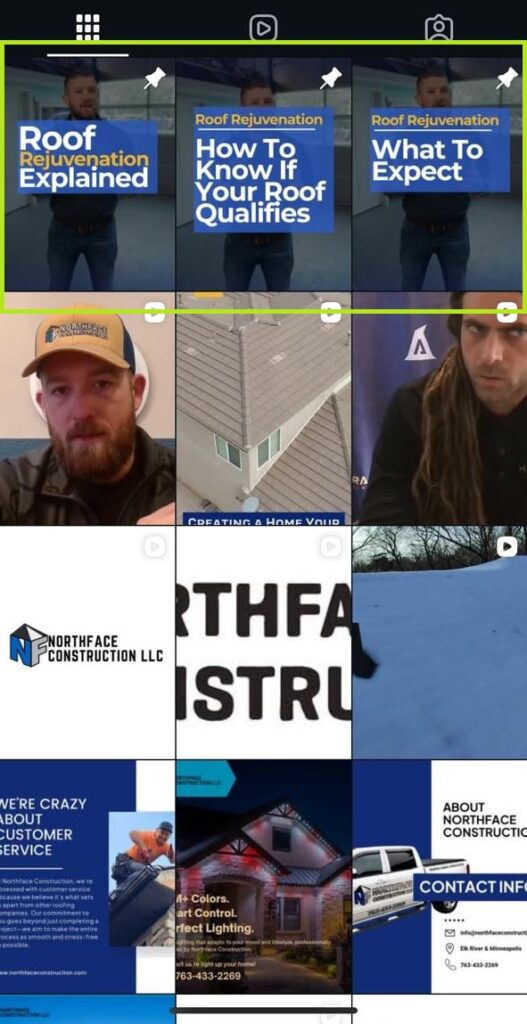
Show how work actually gets done. This removes fear and uncertainty. Examples include:
- What happens during a service call
- How estimates work
- What a typical install day looks like
Process content reassures homeowners that nothing sketchy or chaotic is about to happen.
Proof
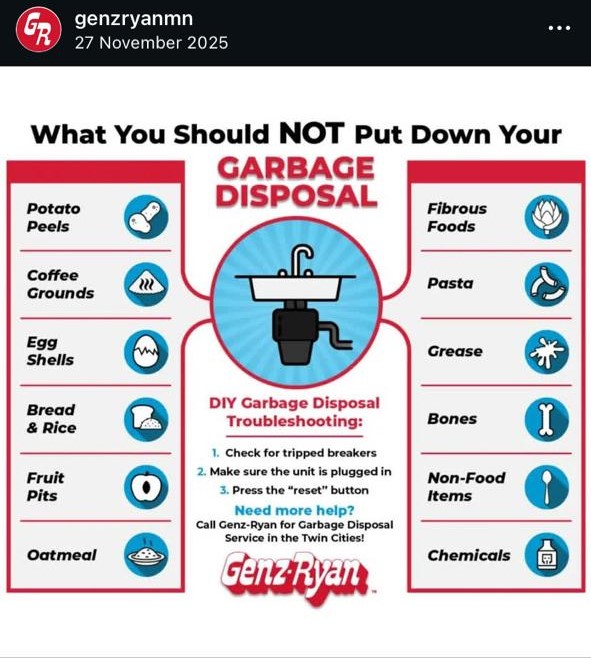
This is not bragging. It’s evidence. Examples:
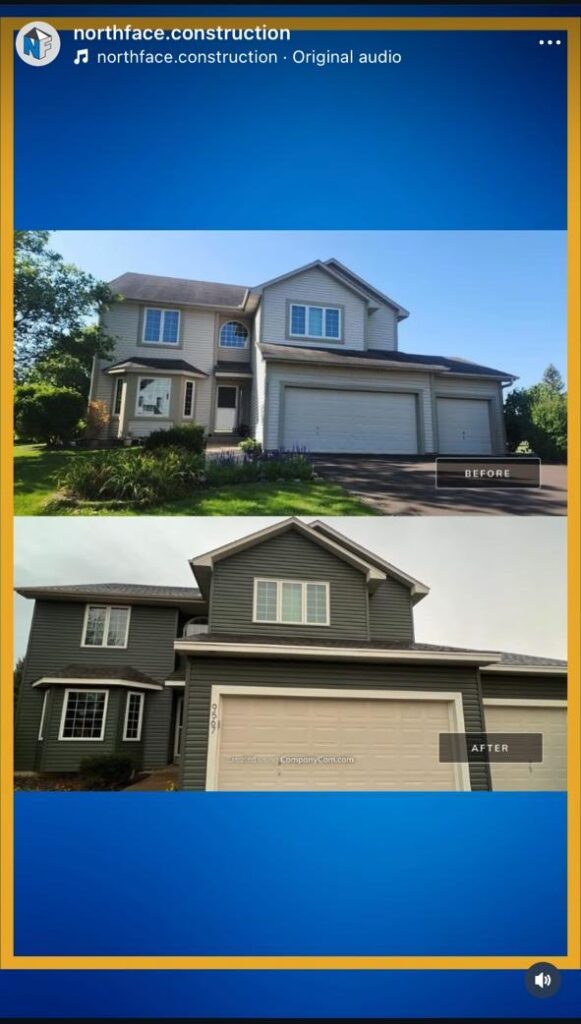
- Before and afters
- Reviews read on camera
- Quick walkthroughs of completed jobs
Proof matters most right before someone calls.
People
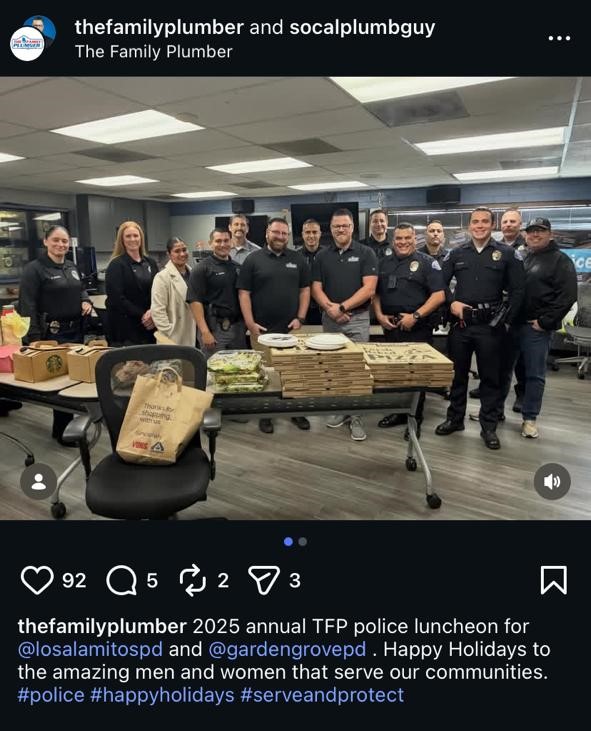
Faces build familiarity. Crews at work. The owner is explaining a job. A tech answering a question. This is especially powerful for businesses that rely on trust inside the home. Once these categories are clear, content becomes reusable. You will repeat yourself. That’s not a flaw. Most homeowners are seeing your content for the first time.
Platforms Are Tools, Not Obligations
Each platform plays a different role. You don’t need all of them. You need the ones that support your goals.
Instagram: Trust and Familiarity
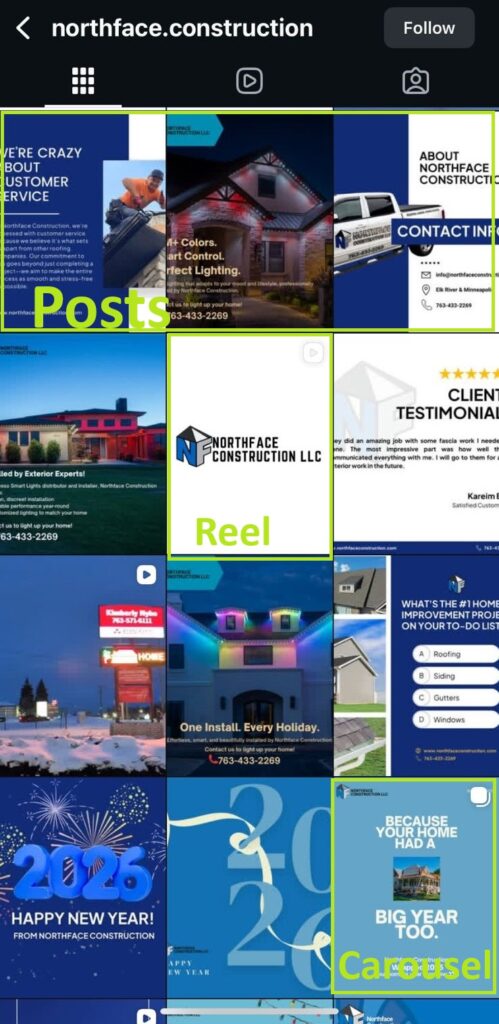
Instagram is where people quickly scan to see if you feel real. Short videos, job clips, and educational posts work well here. Reels spark conversation, while carousels often get saved for later reference.
Facebook: Community and Proof
Facebook still excels at reviews, local engagement, and longer captions. It’s where homeowners look for reassurance that others trust you.
YouTube: Authority and Longevity
YouTube is where deeper explanations live. Cost breakdowns, repair vs replace discussions, and long-form Q and A content build authority over time. One video here can support months of other content.
TikTok: Reach and Awareness
TikTok rewards clarity and authenticity, not production quality. It’s especially effective for short, educational clips.
Industry data shows why this matters. In 2023, TikTok influencers saw a 5.2% engagement rate on affiliate links, more than double that of Instagram and far higher than that of YouTube. Even more telling, TikTok accounts with zero to 50,000 followers averaged a 30.1% engagement rate, compared to 1.8% on Instagram.
That’s why growing an HVAC company on TikTok doesn’t require being an influencer. It requires answering real questions simply.

LinkedIn: Owner Credibility
LinkedIn is not for job photos. It’s for perspective. Hiring updates, leadership thoughts, and business growth insights. Done right, LinkedIn marketing for home service businesses positions the owner as credible and serious.
How It All Comes Together Without Overwhelm
One piece of content can support multiple platforms. A single video explaining AC replacement costs can:
- Live on YouTube in full
- Be clipped for Instagram and TikTok
- Be summarized in a Facebook post
- Be reframed as a LinkedIn insight from the owner
This is how consistency happens without burnout. The goal isn’t to be everywhere. It’s to show up clearly where it matters.
When content is structured, repeated, and placed intentionally, social media stops feeling like a creative burden and starts working as a quiet trust engine that supports everything else you’re building.
Consistency Beats Virality Every Time
Virality feels like progress. Consistency actually builds businesses. For home service companies, those two things rarely overlap. What performs well on a platform is not the same thing that builds trust in a specific city with real homeowners who need real work done.

Why Viral Content Almost Never Turns Into Jobs
Viral content optimizes for attention, not intent. When a post blows up, it is usually because it is:
- Broad instead of specific
- Entertaining instead of practical
- Shareable across regions instead of grounded locally
That reach looks impressive, but it is disconnected from buying behavior. A homeowner in your service area does not feel more confident hiring you because strangers across the country liked a video. This is why being local beats going viral every time. Relevance converts. Reach alone does not.
How Trust Actually Compounds Over Time
Homeowners rarely hire the first company they see once. They notice you. Then they notice you again. Then they recognize your name when something breaks. Consistency creates that recognition loop.
When a business shows up regularly explaining the same problems, costs, and decisions, it signals stability. It feels established. Even if a homeowner does not engage with your content, repetition still does its work quietly. This is why trust compounds. Not through one moment of attention, but through familiarity built over weeks and months.

What a Realistic Posting Cadence Looks Like
Most contractors quit social media because they set the bar too high. Consistency does not mean daily posting. It means predictable presence. For most home service businesses, that looks like:
- One to two short videos per week focused on core services or questions
- Occasional supporting posts reused across platforms
- Long gaps avoided, even if output is light
This cadence is enough to stay visible without turning content into a second job.
Why Trend-Chasing Breaks Consistency
Trends create pressure. They force you to:
- React instead of plan
- Create content that does not match your services
- Chase formats that do not align with your audience
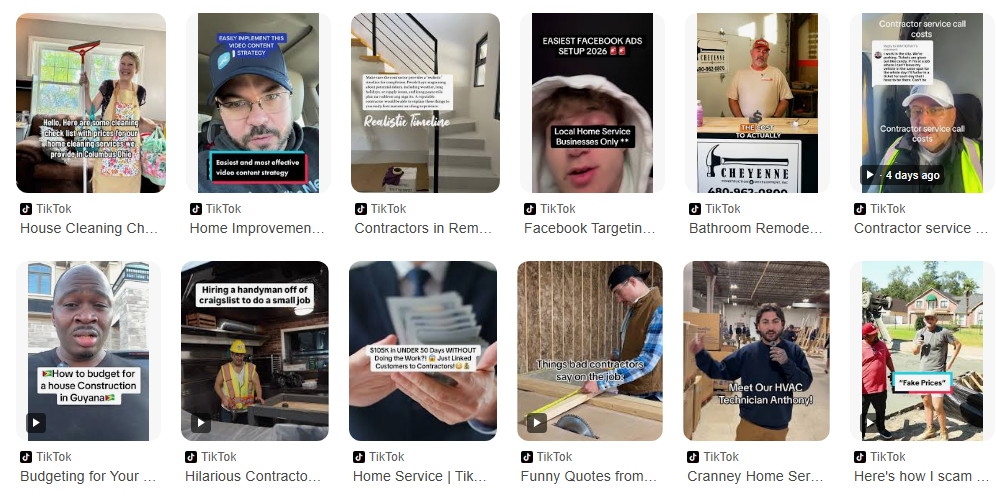
That pressure leads to burnout, followed by silence. Silence does far more damage than a simple, repetitive post ever will. Homeowners are not judging creativity. They are judging reliability.
How to Stay Consistent Without Burning Out
Burnout usually comes from treating social media like a performance. The fix is systems. Most home service businesses only need to talk about a small set of topics:
- Common problems
- Cost drivers
- Repair versus replace decisions
- What to expect during a visit
- Mistakes homeowners make
Those topics do not change much. Repeating them is expected. Most people are seeing them for the first time anyway. Batch content when possible. Reuse the same ideas across platforms. Focus on clarity over novelty. Consistency is not exciting. It is reassuring.
Social Media Is the Glue That Makes Everything Else Work Better
Social media rarely works alone. That’s the point. Its real value shows up in how it lifts everything else you’re already doing.
When someone clicks an ad, lands on your site, or sees your name in search results, social media often decides whether they trust what they’re seeing or keep scrolling. That’s where contractor content marketing earns its keep.
Social Proof Makes Ads Convert Better
Ads don’t fail because targeting is off. They fail because trust is missing. When a homeowner clicks an ad and recognizes your name from social, hesitation drops. They’ve seen your work. Your team. Your explanations. That familiarity makes the ad feel safer.
This matters whether you’re running Google Ads or weighing them against LSAs. In both cases, social proof increases confidence at the moment of decision. The ad didn’t work harder. The brand did.
Video Carries Trust Onto Your Website
Your website does the closing. Social media does the warm-up. When homeowners land on a site after seeing your videos, they spend more time, click deeper, and feel more comfortable calling. Video bridges the gap between information and trust, which is why home service websites that convert almost always feel human, not generic.
Social video doesn’t replace your website. It prepares visitors to believe it.

Familiar Brands Get Clicked First
Search results are competitive. Familiarity breaks ties. When a homeowner sees your name in organic results or on a map listing, prior exposure on social media increases click-through. It’s subtle, but powerful.
This is how social feeds into local SEO for home service businesses. Not by ranking pages directly, but by reinforcing brand signals that search engines and users both respond to.
Social Signals Reinforce Authority
AI and search engines look for consistency. Active social profiles, engagement, real-world interactions, and brand mentions all reinforce that your business is legitimate and relevant. These signals don’t replace SEO. They support it by confirming that your business exists beyond your website.
That alignment across channels is what makes growth feel smoother instead of fragmented. Social media isn’t a lead machine. It’s a trust amplifier. When ads, SEO, and your website all tell the same story, social media makes that story believable.
Common Social Media Mistakes Contractors Keep Making
Most contractors don’t fail at social media because they don’t try. They fail because effort gets wasted in the wrong places. The same mistakes keep showing up in 2026, even among businesses that are otherwise growing.
Posting Only Promotions
Endless discounts, seasonal offers, and “call now” posts train homeowners to ignore you. This isn’t just a performance issue. 81% of consumers actively ignore irrelevant marketing messages, and constant promotions feel irrelevant in a social feed. Without context, education, or proof, promotional posts don’t build trust. They create fatigue.
Copying Viral Trends Blindly
What works for influencers rarely works for local contractors. Viral trends optimize for reach, not credibility. They age quickly and often have nothing to do with the services you actually sell. Chasing them pulls attention away from content that builds long-term trust and authority.
Overposting or Disappearing
Both extremes create problems. Overposting without purpose overwhelms followers. Long gaps create doubt. Homeowners don’t expect daily content, but they do expect signs of life. In 2026, an inactive feed raises questions at the worst possible moment.
Treating Social Media as Optional
Social media is no longer a “nice to have.” It’s part of how homeowners validate legitimacy after seeing an ad, referral, or search result. When it’s treated as optional, consistency drops. When consistency drops, confidence drops with it.
Delegating Without Direction
Handing social media to someone without guidance turns content into noise. Whether it’s an employee or outside help, execution without strategy leads to generic posts that don’t reflect how your business actually works. Direction matters more than volume.
Why Relevance Matters More Than Ever
Generic content doesn’t just underperform. It pushes people away. When messages aren’t relevant, people disengage. On the flip side, 96% of consumers say they’re more likely to purchase when brands send personalized messages. In-home services, personalization means speaking to real problems, real decisions, and real expectations.
Should the Owner Be the Face of the Brand?
This question makes a lot of owners uncomfortable. Not because it’s complicated. Because it’s personal. Showing up on camera feels different when your name is on the trucks. But in 2026, this question isn’t about ego. It’s about trust.
Why Founder-Led Content Works So Well
Homeowners don’t trust logos. They trust people.
Data shows that founder visibility increases trust by 82%, because consumers consistently prefer human-led brands over faceless ones. Seeing the owner explain a problem or walk through a decision creates instant credibility.
It signals accountability. If something goes wrong, there’s a real person behind the brand. That’s why founder-led content often outperforms polished brand posts in home services.
The Upside and the Tradeoffs
There are real advantages:
- Faster trust with new homeowners
- Stronger brand recall
- More confidence during sales calls
There are tradeoffs, too:
- It requires time and consistency
- It feels vulnerable at first
- Not every owner wants to be on camera
None of these is a dealbreaker. They’re considerations.
When Owner Visibility Makes the Most Sense
Founder-led content works best when:
- The business is built around reputation and referrals
- The owner already handles sales or customer education
- The market is competitive and trust-heavy
This is especially true for businesses where the owner needs to step out of sales leadership gradually. Video allows you to explain once and let the content do some of that work repeatedly.

Why Homeowners Respond to People
Home service decisions are personal. Letting someone into your home carries risk. When homeowners see the owner explaining services, costs, or common mistakes, anxiety drops. They feel like they already know you. That familiarity shortens conversations and reduces skepticism.
This is where leadership for home service business owners quietly shows up. Being visible isn’t about performance. It’s about reassurance.
How to Start Without Feeling Awkward
You don’t need a studio. Or scripts. Or charisma. Start simple:
- Answer one common question on camera
- Explain a recent job in plain language
- Talk through a decision homeowners struggle with
Short, imperfect videos outperform polished silence. Consistency matters more than comfort.
If the Owner Isn’t the Right Face
Founder-led does not mean founder-only. Senior technicians, project managers, or long-term team members can also represent the brand effectively. The goal is a human presence, not personal branding. The bottom line is this. Homeowners trust people before they trust companies. Visibility builds confidence. Silence creates distance.
Whether it’s the owner or someone they trust to represent the business, a human face makes the brand easier to choose.
How to Measure Social Media Success Without Lying to Yourself
If likes told the full story, social media would be easy. It isn’t. For home service businesses, the real impact rarely shows up in a dashboard. It shows up in how people talk to you before they ever become a lead. What matters more than likes is trust. You hear it on sales calls:
- “I’ve been following you for a while.”
- “I saw your videos before calling.”
- “You guys seem legit.”
Those signals don’t show up in attribution reports, but they change outcomes. Calls are warmer. Price objections come later. Decisions happen faster.
That’s where qualitative feedback becomes meaningful. If your sales team notices fewer basic questions or less skepticism, social media is doing its job. It’s pre-educating and pre-validating.
Supporting metrics still matter, just not on their own:
- Reach shows whether people are seeing your content
- Engagement signals whether it resonates
- Saves and shares often matter more than likes
These metrics help guide direction, not define success. The biggest return comes over time. Brand lift isn’t instant. Familiarity compounds. Recognition builds. Choosing your business starts to feel safer than choosing a competitor.
Social media success in home services is quiet. It doesn’t spike. It accumulates.
Turn Social Media From Noise Into an Asset
Most contractors do not fail at social media because they are bad at it. They fail because no one ever showed them what it is actually supposed to do.
Social media is not there to entertain strangers or chase trends. It is there to make your business feel familiar, credible, and safe before a homeowner ever calls. When it is done right, it shortens sales cycles, strengthens ads, supports SEO, and reinforces trust across every channel.
That kind of system does not happen by accident. It comes from clear positioning, realistic expectations, and consistency that fits your business, not someone else’s playbook.