The short answer
Sell more roofs by running the same process on every lead: respond fast, inspect and photograph everything, present good, better, best options, ask for the sale, and hand off cleanly to production. Then follow up, offer financing and ask for reviews.
- Book inspections with every decision maker present
- Retail sells value; insurance sells documentation and speed
- Script, role-play and track close rate, average ticket and appointments
- Follow up at least five times before closing the file
Originally published August 1, 2021. Updated November 5, 2026.
Selling roofs isn’t about being the smoothest talker in the driveway. It’s about running the same proven process on every lead, every time. This guide covers that process start to finish: inspections, retail vs. insurance sales, scripts, objections, pay, training, tools and follow-up.
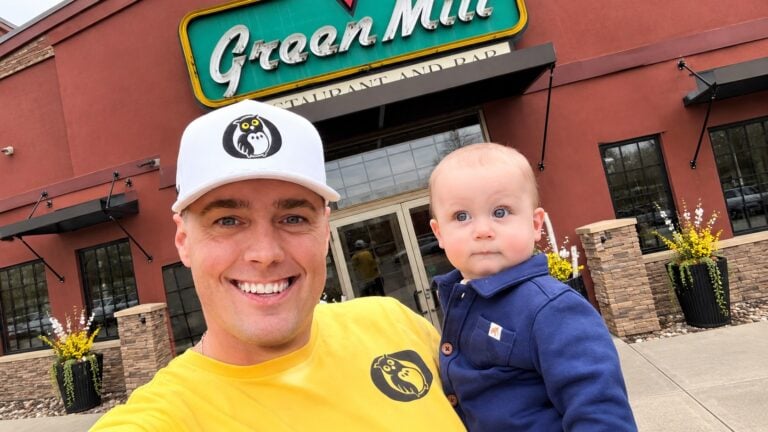
I recently had the pleasure of hanging out for a full day, following around a roofing salesperson.
I was intrigued and asked all kinds of questions, the result is this video:
The roofing sales process, step by step
The 5-stage roofing sales process
Each stage has one job. Don’t move a lead forward until the “done when” line is true.
- 1LeadRespond in minutes. Confirm the address, the problem, insurance status and every decision maker.Done whenInspection booked with all decision makers there.
- 2InspectionGet on the roof. Photograph every slope, every issue, every vent and the attic.Done whenPhoto report and measurements saved in the CRM.
- 3PresentationWalk the photos at the kitchen table, then show good, better, best options.Done whenThe homeowner can explain the problem back to you.
- 4CloseAsk for the sale. Sign, collect the deposit and explain what happens next.Done whenSigned contract, deposit in hand, financing approved if used.
- 5HandoffClean notes to production, a start date and a check-in call.Done whenProduction confirms scope, materials and access notes.
1. Lead: respond fast and qualify
Speed wins. The first roofer to call back is often the one who gets the inspection. When the lead comes in, confirm the address, what the homeowner is seeing (leak, missing shingles, storm damage, age), whether they have filed an insurance claim, and who makes the decision. Book the inspection with every decision maker present. That one move saves more deals than any closing line.
2. Inspection: document everything
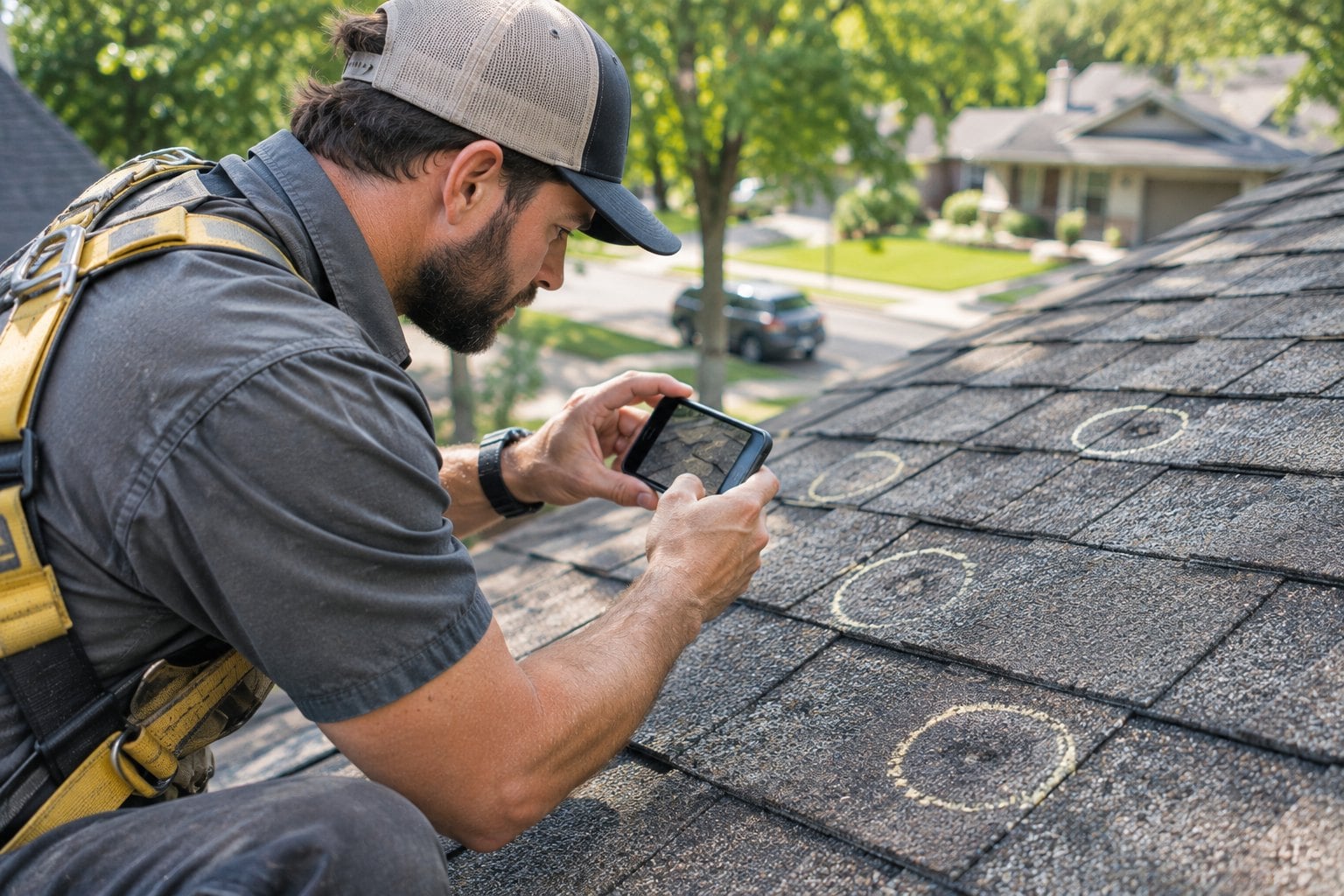
Get on the roof, even if the homeowner says it is “just a few shingles.” Photograph every slope, the attic if you can, flashing, vents, gutters and any damage up close with a reference point. The inspection is where you earn trust. Homeowners can’t see their roof, so your photos become the evidence that sells the job.
3. Presentation: show, then offer options
Sit down at the kitchen table, not the tailgate. Walk through the photos, explain what you found in plain English, and what happens if they wait. Then present options: a good, better and best system with clear differences in materials, warranty and price. Options keep the conversation on which roof, not whether to buy one.
4. Close: ask for the sale
Most lost deals were never asked for. Summarize the problem, the solution and the investment, then ask a direct question: “Which option makes the most sense for you?” or “Want me to get you on the schedule?” Collect the signature and deposit, and tell them exactly what happens next.
5. Production handoff: protect the sale
A sale isn’t done until the roof is on and the customer is happy. Hand production clean notes: materials, colors, access, pets, gate codes, special requests. Call the homeowner before the start date and again after the job. Smooth handoffs turn into reviews and referrals.

Retail vs. insurance (storm restoration) roofing sales
Retail and insurance roofing are different sales. Most companies do both, but reps need to know which one they are in.
Retail roofing sales
- The homeowner pays, often with financing.
- The sale is about value: materials, warranty, workmanship and trust.
- Longer conversations, more comparison shopping, more objections about price.
- Options and financing matter most.
Insurance and storm restoration sales
- The insurance claim pays for covered damage, minus the homeowner’s deductible.
- Speed, documentation and adjuster meetings matter most.
- Reps inspect, document damage and meet the adjuster on site to make sure all damage is seen.
- Many companies use a contingency agreement: the homeowner agrees to use you if the claim is approved.
Retail vs. insurance roofing sales at a glance
Same roof, two very different sales. Train reps on both before they run appointments alone.
Swipe sideways to see every column →
| Retail | Insurance (storm) | |
|---|---|---|
| Who pays | The homeowner, often with financing | The carrier pays for covered damage; the homeowner pays the deductible |
| What wins the sale | Value: materials, warranty, workmanship, trust | Documentation, speed and a smooth claim |
| Typical first touch | Inbound call, web lead or referral | Door knock or canvass after a storm, or an inbound call |
| Key paperwork | Proposal with options, financing application | Contingency agreement, photo report, the carrier’s scope |
| Key meeting | The kitchen-table presentation | The adjuster meeting on the roof |
| Biggest risk | Losing on price to a thinner scope | Over-promising coverage or breaking deductible rules |
| Best closing tool | Good, better, best plus a monthly payment | A clear claim timeline, then doing exactly what you said |
Know the rules in your state. Contractors generally can’t negotiate a claim on the homeowner’s behalf like a public adjuster, and many states prohibit paying or waiving deductibles. Read our take on paying deductibles and working with insurance carriers.
Adjuster meetings
Show up early, bring your photos and measurements, and walk the roof with the adjuster. Point out damage calmly and let the evidence do the work. Be professional and courteous. Adjusters remember who made their day easier.
How an insurance roof sale moves
The rep’s job at each step, from the storm to the final check.
Roofing sales scripts
Scripts aren’t about sounding robotic. They make sure every rep hits the same key points, then lets their personality fill in the rest.
Door knocking script
At the door
“Hi, I’m [name] with [company]. We’re doing a roof replacement for your neighbors at [address] and I wanted to give you a heads up about the trucks and noise.”
“While we’re here, we’re offering free inspections to neighbors. That storm on [date] hit a lot of roofs in this area. Have you had anyone take a look at yours?”
“It takes about 20 minutes and you’ll get photos of everything. Would today or tomorrow work better?”
For more on where to knock, read where to door knock for roofing and digital door knocking.
Phone and appointment-setting script
Inbound call or callback
“Thanks for calling [company], this is [name]. What’s going on with the roof?”
“Got it. Is anything leaking inside right now?” (If yes, prioritize.)
“Have you filed an insurance claim yet, or are you looking at replacing it yourself?”
“I’d like to get one of our project consultants out to inspect it and take photos. Is there anyone else who’ll be part of the decision? Let’s pick a time when you can both be there.”
How to handle common roofing sales objections
Most objections aren’t really about the roof. They’re a sign of a missing answer, a missing decision maker or a missing reason to act now. Use this table to decode what you’re hearing, then use the deeper responses below.
Roofing objection decoder
What the homeowner says, what it usually means, and your next move.
Swipe sideways to see every column →
| They say | It usually means | Your next move |
|---|---|---|
| “Your price is too high.” | They’re comparing you to a thinner scope, or the total scares them | Compare scopes line by line, then show a monthly payment or a different option |
| “We need to think about it.” | An unanswered question or a missing decision maker | Ask which part they want to think through, then answer it |
| “We’re getting other bids.” | They don’t trust any one roofer yet | Hand them a comparison checklist so you set the criteria |
| “Insurance denied the claim.” | Damage was missed, or it isn’t covered | Review the letter, ask about a re-inspection, or pivot to retail |
| “Can you cover my deductible?” | They want the roof with less out of pocket | Explain it’s illegal in many states, then offer financing |
| “We’ll wait until spring.” | No urgency, or the budget timing is off | Show photos of active damage and lock in a start date |
“Your price is too high.”
Don’t drop the price. Ask what they are comparing it to, then compare the scopes line by line: materials, underlayment, ventilation, flashing, warranty, cleanup. Most “cheaper” bids leave something out. If budget is the real issue, show financing or a different option.
“We need to think about it.”
Usually means there is an unanswered question or a missing decision maker. Ask, “What part do you want to think through?” Then answer it. If a spouse wasn’t there, read our guide to the talk to my spouse objection.
“We’re getting other bids.”
Welcome it. “Smart. When you compare, make sure you check these five things.” Then give them your checklist. You set the criteria, and you win more often.
“Insurance denied the claim.”
Review the denial letter with them. If you documented real storm damage, they may be able to request a re-inspection or provide more evidence. If the damage isn’t covered, pivot to a retail conversation with options and financing. Never pressure or promise outcomes you can’t control.
How roofing salespeople get paid
Most roofing sales reps are paid on commission, often with a draw or base during training. Common structures include a percentage of revenue, a percentage of profit (gross margin), or a split of profit between the rep and the company. Each has tradeoffs for margin protection and rep motivation.
The plan you pick changes how reps behave, especially around discounts. Here’s the same job paid three ways, using the $10,000 job with $5,400 in materials and labor from our 10/50/50 breakdown.
What a $500 discount costs the rep
Rep commission on a $10,000 job ($5,400 materials and labor), at full price and after a $500 discount.
Dig deeper: roofing sales salary and pay structures, the 3 most common roofing sales compensation plans and why 10/50/50 commission is broken. If you’re a rep chasing a big year, read how to make $100k in roofing sales.
Training and onboarding new roofing reps
A 30-day roofing sales onboarding plan
What a new rep learns each week before running appointments alone.
- Week 1ProductMaterials, warranties and how a roof is built. Ride along with your top rep.
- Week 2InspectionsInspect real roofs. Learn your photo standards and measurement tools.
- Week 3PresentationLearn the presentation and scripts. Role-play every single day.
- Week 4Live repsRun appointments with a mentor, then solo with a review after each one.
- OngoingCoachingWeekly role-play, call reviews and ride-alongs. Never stops.
Ready to run appointments solo?
Don’t hand a new rep leads until they can check every box.
- Explains your roof systems and warranties without notes
- Takes a complete photo report a manager signs off on
- Runs the full presentation in role-play without skipping steps
- Answers the six objections above in role-play
- Logs every lead, note and follow-up in the CRM the same day
- Knows your state’s rules on contingency agreements and deductibles
Recruiting is part of the sales process. See how to recruit roofing sales reps and using video to recruit.
Roofing sales KPIs to track
Roofing sales KPI scorecard
Track these weekly for every rep. The red flag column tells you where to coach.
Swipe sideways to see every column →
| KPI | How to calculate it | What it tells you | Red flag |
|---|---|---|---|
| Speed to lead | Minutes from lead in to first contact | Whether you get the inspection before a competitor | Leads waiting hours or overnight |
| Appointments run | Inspections presented per rep per week | Activity, the base of everything else | Busy reps with few presentations |
| Close rate | Signed contracts ÷ appointments run (see good closing rates) | Presentation skill and lead quality | Big gaps between reps working the same leads |
| Average ticket | Revenue sold ÷ jobs sold | Whether reps sell options or the cheapest roof | Most jobs sold at the lowest tier |
| Gross margin per rep | (Revenue minus job costs) ÷ revenue | Whether volume is profitable | High revenue, thin margin |
| Follow-up completion | Open estimates with every touch done ÷ open estimates | Discipline after the first visit | Estimates with one touch and no next step |
Watch out for reps who hoard leads and stall. That’s the stack and starve problem.
How many leads does a roofing rep need?
Work backward from the sales goal. Divide the goal by your average ticket to get roofs sold, divide by close rate to get appointments, then divide by the share of leads that turn into a run appointment.
Leads needed for a $1.2M sales year
Example: $15,000 average ticket, 35% close rate, 60% of leads become a run appointment.
Roofing CRM and sales tools
The roofing sales tool stack
What each tool does for the sale. You don’t need all of them on day one; start with the CRM and measurements.
Swipe sideways to see every column →
| Tool | Examples | What it does in the sale |
|---|---|---|
| CRM and job management | JobNimbus, AccuLynx (compare them) | Tracks every lead, appointment, estimate, follow-up and job in one place |
| Aerial measurements | EagleView, Hover (compare them) | Roof measurements without a ladder, so quotes go out faster |
| Proposals and e-sign | SumoQuote, or the proposal tool in your CRM | Good, better, best options the homeowner can sign on a phone |
| Instant website quotes | Roofle | Gives website visitors a ballpark price and captures the lead |
| Storm and hail data | HailTrace | Shows where to canvass after a storm |
| Call tracking | Your call tracking provider | Shows which marketing actually books appointments |
Compare options in our guide to field service software by trade.
Follow-up, financing, reviews and referrals
Follow-up cadence
Most roofs aren’t sold on the first visit. A simple cadence keeps you in front of the homeowner without being pushy:
A 30-day follow-up cadence
Five touches, each with a reason to reply. Log every one in the CRM.
- Same dayTextThank you, the proposal and the inspection photos.
- Day 2CallAnswer questions. Ask what they’re still weighing.
- Day 5EmailA review or short video from a customer nearby.
- Day 10Call or textCheck in on timing and the schedule.
- Day 30Text“Should I close your file?” It gets surprising replies.
Grab our follow-up templates for contractors.
Offer financing
Financing turns “we can’t afford it right now” into a monthly payment conversation. Present it with every option, not only when someone objects on price.
Get reviews and referrals on every job
Ask for the review the day the roof is finished, while the customer is excited. Then ask who else in the neighborhood might need an inspection. Read how to ask for a review.
What top roofers say about building a sales process
It’s really got me thinking – what are the reproducible processes that any roofing company owner can create in their company that will systematically and rhythmically close more deals, at scale.
The result of that curiosity is this roundup. I asked all of the most successful roofing industry folks I know that have opinions on this kind of stuff – here they are!
More roofing sales lessons
How Does Coaching Build Top-notch Sales Leaders?
Charisma is great, but we know that growing a sales team doesn’t stop there; it also involves building intentional processes and habits. So after finding a suitable salesperson, what are the weekly habits and processes that can help to build leaders and their teams?
Coaching. There must be a coaching process. Coaching is the most undervalued and under-exercised skill in the roofing industry. People don’t hire coaches or bother to do their own coaching. And you can’t fully automate coaching; you need a skilled coach that teaches an unskilled person how to be better, which takes time. ⏰
Digital Sales Tools
Digital sales tools are able to help with a lot these days. From the actual sales systems themselves to the production side as well. The benefit of these systems is that it allows customers to go in and get a better understanding of what different projects, materials, and labor hours are going to be.
Another benefit of having a digital system in place is that it saves you time and energy from having to have to redo the estimate multiple times and letting the customer have a choice as well and see how different options affect the price.
Create an Environment That They Want To Be A Part Of
Today, employees will often care less about money and finances and more about who they’re working for. Are they proud of their company and what it stands for? Do they believe in the mission that their organization stands for? Do they feel included and excited about going to work? Each of these are questions that should be considered before you keep hiring new employees.
Take time to develop a culture that isn’t just about making money can change your company for the better and help you keep the right people working for you longer. Having employees invested in your company is no small thing, and it’s definitely something that you should be striving for.
Become a “Sacrificial Leader”
Sales is a numbers game, at least for the category of salespeople that knock on doors. That bravado and the ability to cook up that courage inside themselves helps salespeople cope with the continual NOs they get.
However, their coping mechanisms can always be mistaken by the public eyes as pride, overconfidence or some other lousy attitude. As a salesperson, know that if you can embrace the right mindset and become a “Sacrificial Leader“, the people around you will love you. That’s how you dispel the myths about salespeople.
- Leads from Google, Maps and AI search
- Nobody else is buying the same lead
- You own your website and ad accounts
“Hook Agency has been an incredible partner for our digital marketing growth.”
Kristin Sullivan, Bob’s ACFocused on the map? See Google Maps SEO
Frequently Asked Questions
How do I sell more roofs?
Follow a consistent sales process, present clearly, handle objections early, and follow up on every estimate.
What makes a good roofing sales process?
Fast response, a thorough inspection, a clear presentation with options, a real close, and consistent follow-up.
How do roofing salespeople find leads?
Company marketing (Google, Local Service Ads, referrals), door knocking in neighborhoods with recent storms or active jobs, and their own referral network.
What is a good close rate in roofing sales?
It depends on the lead source. Referral and inbound leads close much higher than door-knock leads. Track it by source so you compare apples to apples.
How much do roofing salespeople make?
Most are paid on commission, so income varies widely by market, lead flow and skill. See our roofing sales salary guide for common pay structures.
What is a contingency agreement in roofing?
An agreement where the homeowner commits to use your company if their insurance claim is approved. Rules vary by state, so check yours.
How do you handle the price objection in roofing sales?
Compare scopes line by line instead of cutting your price, show what the cheaper bid leaves out, and offer financing or a different option if budget is the real issue.