
It’s easy to say you value your team, but showing it?
That’s where real leadership shines.
Whether you’re running a small crew or a growing company, how you recognize and appreciate your employees can make or break your culture. It’s not just about gift cards or shoutouts (though those help). It’s about creating a workplace where people feel seen, supported, and excited to stick around.
When you make appreciation part of your leadership style, you:
- Build trust and loyalty that lasts beyond the busy season 🤝
- Boost morale and motivation without burning people out
- Create a culture that attracts and keeps top talent ✨
We asked business owners how they show appreciation to their teams, and the responses were too good not to share. From paid date nights to personalized wishlists, here’s what employee appreciation ideas real leaders are doing to make their people feel valued.
Start With What They Actually Want
Appreciation isn’t one-size-fits-all. What feels meaningful to one person might feel like an afterthought to someone else. That’s why the smartest leaders ask first—and keep asking.

H.R. Guy suggested something simple but powerful: keep a wishlist for each team member and update it regularly. Whether it’s a favorite snack, a dream experience, or a professional goal, it gives you a clear way to recognize them in a way that hits home.
Here are a few easy ways to make that happen:
- 1-on-1 meetings: Use part of your regular check-ins to ask about wins, goals, and what motivates them.
- Employee surveys: Short, thoughtful surveys can surface great insight into what makes your team feel valued.
- Personal preference docs: A shared doc or spreadsheet (kept private, of course) where you jot down what each person enjoys or appreciates.
Not only does this show that you’re listening—it gives you the ammo to make your appreciation actually mean something.
Be Genuine with Your Praise
A raise is nice. A bonus is great. But don’t underestimate the power of sincere, specific encouragement.
According to a study by Gallup, employees who receive regular recognition are 4x more likely to be actively engaged in their work. That kind of engagement doesn’t come from vague compliments or rushed kudos—it comes from leaders who truly see their people and take time to say so.
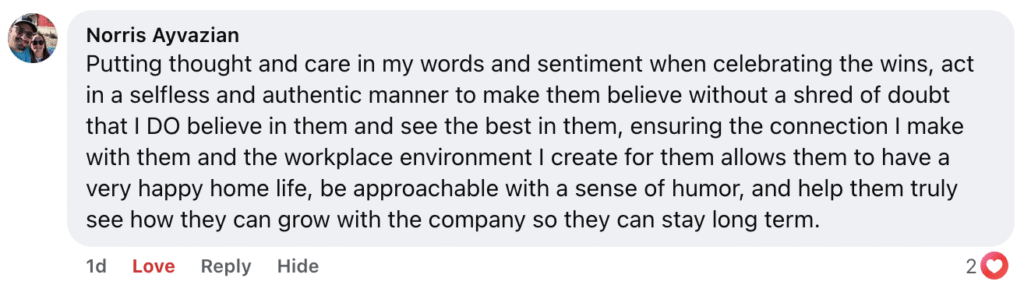
Norris summed it up perfectly: authentic praise isn’t about checking a box. It’s about helping your team believe you see the best in them, and that they have room to grow right where they are.
A few ways to make your praise count:
- Be specific — tie the compliment to a behavior or outcome.
- Be timely — don’t wait until the quarterly review.
- Be consistent — encouragement shouldn’t be a once-a-year event.
If your team feels seen, they’ll show up stronger—and stick around longer.
Offer Simple, Tangible Perks
Appreciation doesn’t always have to be profound—it just has to be real. Sometimes, a thoughtful gesture or unexpected perk is exactly what your team needs to feel recognized.
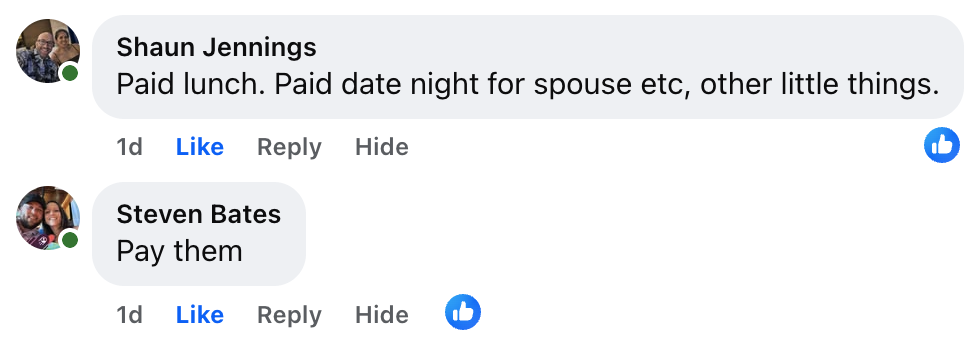
Here are a few tried-and-true ideas leaders shared:
- Paid lunches — surprise the crew or make it a monthly tradition
- Spouse/date night gifts — acknowledging the people who support your team behind the scenes goes a long way
- Bonuses and raises — the most direct way to say “you’re valued” is with fair compensation
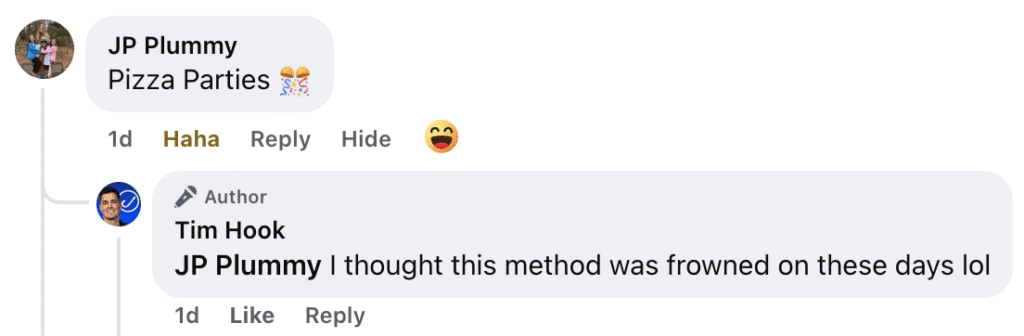
The Pizza Party Debate: Fun or Outdated? 🍕
One comment sparked a little side conversation: are pizza parties still a thing, or are they just a lazy attempt at morale?
Truth is, it depends. If a pizza party is the only form of recognition your team sees all year, it probably won’t cut it. But if it’s part of a broader culture of appreciation? Then hey—extra cheese never hurt anyone.
The key is balance. Pair light-hearted rewards with meaningful support, and you’ll have a team that feels both celebrated and taken care of.

Care About Them as Whole People
The best leaders don’t just manage people—they know them. They ask about the weekend. They remember birthdays. They recognize that behind every hard-working employee is a support system making it possible.
When you show appreciation for your team’s whole life, not just their work performance, you build loyalty that money can’t buy.
“Take interest in them as a person and not just my employee… think of their significant others or children. They are supporting your team, which means they are supporting you.” — Courtney Carter
Ways to Show You Care:
- Ask questions beyond work: How’s their family? What hobbies are they into? What are they excited about outside the office?
- Celebrate the support system: A handwritten thank-you to a spouse, a small gift for a new baby, or a team family picnic can go a long way.
- Support personal growth: Whether it’s coaching, skill development, or helping them reach life goals, show you’re invested in them, not just their output.
Gifting Ideas for Any Budget:
- 💡 Low-budget: Handwritten notes, public recognition, $5 coffee gift cards
- 💡 Mid-budget: Birthday or holiday gifts, gas cards, surprise PTO
- 💡 Higher-budget: Tickets to events, experience-based gifts, wellness stipends
It’s not about how much you spend—it’s about showing that you see them, and that what matters to them matters to you.

Long-Term Investment in Their Future
Short-term rewards are great, but long-term growth is what really tells your team you believe in them.
When you create opportunities for employees to expand their skills, take on new challenges, and see a future with your company, you’re not just showing appreciation, you’re building a legacy they want to be part of.
Here’s what that looks like:
- Professional development: Cover the cost of a course, conference, or certification that aligns with their career goals.
- Clear growth paths: Show how they can move up in the company, whether that’s a leadership track or a specialized expert role.
- Let them lead: Give team members ownership of projects or initiatives. Even small leadership moments build confidence and buy-in.
When people know you’re invested in where they’re going, they’re more likely to stay committed to where they are.
Real Appreciation Is Personal
If there’s one thing all these insights have in common, it’s this: appreciation works best when it’s personal.
There’s no one-size-fits-all approach. Some people want public praise. Others value a quiet thank-you or a boost in their paycheck. What matters most is that you:
- Listen to what actually matters to them
- Personalize your approach instead of defaulting to generic rewards
- Act consistently—not just during Employee Appreciation Week
You don’t need a massive budget or elaborate plan. Just start by asking:
“What makes you feel appreciated at work?”
Then do more of that. The impact will speak for itself.