
Contractor marketing terms can feel like another language. One minute someone’s talking about “conversion funnels” and “CPC” and you’re nodding along. The next minute you realize you have no idea what they actually mean… and suddenly your money’s gone.
Digital marketing is big business. Companies spend $694 billion every year to get attention online and bring in leads. But here’s the catch: a lot of that cash goes straight into the pockets of agencies that overpromise and underdeliver.
If you’ve been burned before, you know how easy it is to get lost in the jargon. The fine print. The “we’re working on it” updates that never turn into results.
This time, you’re going to know exactly what they’re talking about… before you sign anything.
Why Marketing Jargon Is a Contractor’s Worst Enemy
Contractors and marketers don’t always speak the same language. You talk in results you can see like more calls, more booked jobs, more revenue. They talk in acronyms and metrics that sound impressive but don’t always connect to real work.
The gap is real:
- Contractors focus on keeping crews busy.
- Marketers focus on click-through rates, impressions, and engagement.
That’s where confusion creeps in. You’re expecting a steady stream of qualified leads. They’re celebrating numbers on a report.
Vague language can hide poor results. A marketer might tell you, “We boosted your CTR by 40%.” Sounds great, right? Until you realize none of those clicks turned into a paying customer.
15+ Contractor Marketing Terms, Finally Explained in English
Let’s skip the corporate buzzwords and cut straight to the truth. You do not need a marketing degree to understand these terms. You just need to know what they mean for your business, how they affect your leads, and whether they’re worth your money.
Here are the most common contractor marketing terms you will hear and what they actually mean in plain English.
1. SEO (Search Engine Optimization)
Making your website show up higher in Google searches so more potential customers can find you.
2. PPC (Pay Per Click)
Online ads where you pay every time someone clicks, no matter if they become a customer or not.
3. CTR (Click Through Rate)
The percentage of people who saw your ad and decided to click it.
4. Bounce Rate
How many visitors land on your site and leave without doing anything.
5. Conversion Rate
The percentage of visitors who turn into actual leads or paying customers.
6. Impressions
How many times your ad or webpage appeared on someone’s screen.
7. Organic Traffic
Website visitors who found you naturally through search engines without clicking on paid ads.
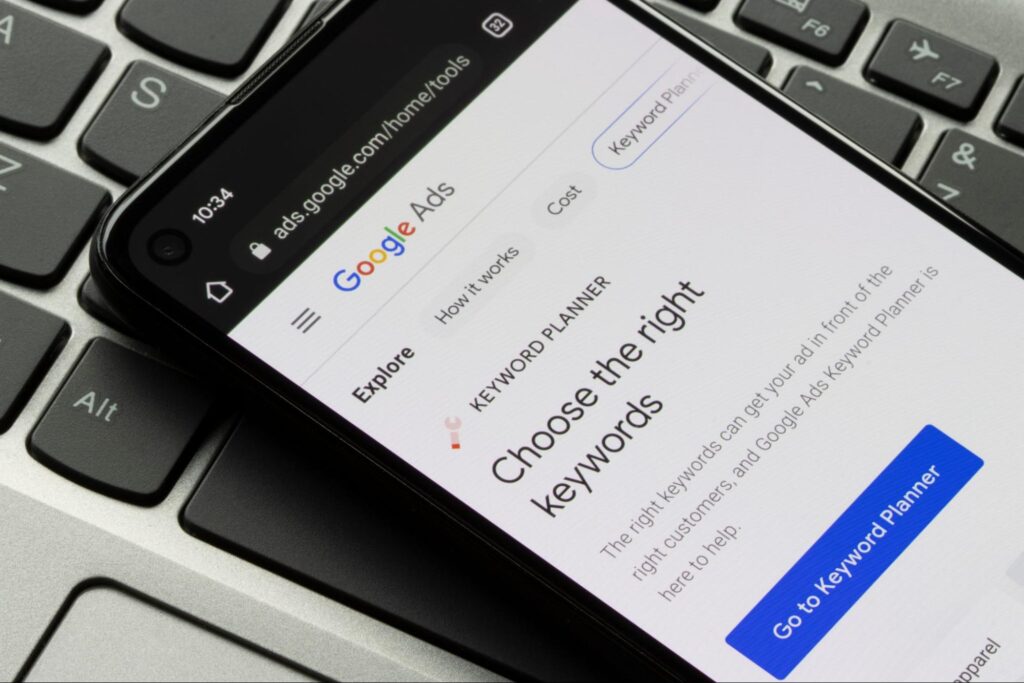
8. Keywords
The words or phrases people type into Google when they are looking for your services.
9. Local Pack
The Google map box that shows local businesses when someone searches for services nearby.
10. Cost Per Lead (CPL)
How much money you spend on marketing for each new lead you get.
11. Return on Ad Spend (ROAS)
How much revenue you earn for every dollar you spend on ads.
12. Landing Page
A focused page designed to get visitors to take one action such as calling you or filling out a form.
13. Lead Nurturing
Following up with potential customers until they are ready to hire you.
14. Retargeting
Showing ads to people who have already visited your website but did not contact you.
15. Call Tracking
Tracking where phone calls come from so you know which marketing channel is working.
16. A/B Testing
Running two different versions of an ad or webpage to see which one gets better results.
17. Social Proof
Customer reviews, testimonials, and before-and-after photos that make people trust your business.
18. CTA (Call to Action)
The words or buttons that tell visitors what to do next such as “Get a Free Quote.”
19. Google Business Profile
Your business listing on Google that shows your reviews, contact info, and location on maps.
20. Engagement Rate
How often people interact with your posts, ads, or content through likes, comments, or shares.
What Actually Matters When Measuring Marketing ROI
Not every number in your marketing report actually matters. Sure, it’s nice to see a big number next to “impressions,” but if those eyeballs never turn into paying jobs, it’s just a feel-good stat.
For contractors, the real goal is simple: turn marketing spend into real revenue. That means you should focus on the numbers that actually connect to money in your pocket.
The big three to keep an eye on:
- Cost per lead – How much you’re spending to get each new inquiry. If this number is low and the leads are solid, you’re on the right track.
- Conversion rate from lead to job – Of the people who reach out, how many end up signing a contract? This is where your sales process plays a big role.
- Overall profit from marketing campaigns – The most important metric of all. At the end of the day, if you’re making more than you’re spending, it’s working.
Here’s a quick tip: always link your marketing reports back to actual dollars earned. That’s how you’ll know whether to double down on a strategy or pivot to something else. If you’re looking for creative ways to make your marketing more effective, check out these ChatGPT prompts for contractor marketing for ideas you can implement right away.
Red Flag Phrases That Should Make You Pump the Brakes
When you work with a marketing agency, there are certain phrases that should immediately set off alarm bells. These are the kinds of lines that sound reassuring but often hide a lack of transparency or results.
Common red flags include:
- “We’ll get you to number one on Google in 30 days.” Nobody can guarantee this, and if they say they can, they are either cutting corners or making empty promises.
- “We brought in 10,000 visitors last month.” Impressive numbers mean nothing if those visitors are not actually qualified leads who might hire you.
- “We use a proprietary strategy you wouldn’t understand.” That is often code for “we don’t want you to ask questions.
- “Trust the process.” Trust only works when there is measurable progress and real data to back it up.

7 Questions to Ask Before You Sign Another Marketing Contract
Before committing to another marketing agreement, make sure you know exactly what you’re getting. A good contractor marketing partner should be able to answer these questions clearly and confidently.
How do you define a qualified lead?
You need their definition to match yours. If they count every form fill or wrong-number call as a lead, you’re paying for fluff.
How will you track calls and form submissions?
Tracking ensures you can actually measure performance and hold them accountable.
Which metrics will you report on every month?
This keeps your focus on the numbers that matter instead of getting distracted by vanity metrics.
Can you give me examples of campaigns you’ve run for other contractors?
Real examples show they understand your industry, not just marketing in general.
How do you tie results back to revenue?
If they can’t link their work to dollars in your pocket, you might want to reconsider.
What happens if results aren’t met after 90 days?
A solid partner will have a plan for adjustments, not excuses.
Can you explain your strategy in under 2 minutes without jargon?
If they can’t make it simple, they may not have a clear plan at all.
Taking the time to ask these questions helps you approach marketing with the right mindset. If you want more tips on how to think strategically about your campaigns, check out this guide on marketing mindset for contractors.

Speak the Language, Win the Game.
When you know the terms, you control the conversation.
No more nodding along to confusing jargon. No more paying for “mystery results.” You’ll know exactly what’s being promised, and whether it’s worth your investment.
Marketing should be simple, transparent, and tailored to your business. When you strip away the buzzwords, you’ll see what’s really moving the needle and what’s just noise.
Schedule a call with Hook Agency to work with a team that speaks your language, or check out our blog for more no-BS marketing tips.