
At some point, growth stops feeling exciting and starts feeling expensive. More people. More overhead. More decisions are landing on your desk. Sales don’t close the way they used to. Marketing needs more direction. Your team looks to you for answers you didn’t need to give a few years ago.
That’s not a marketing problem. It’s a leadership one. Most home service businesses don’t stall because they lack tactics. They stall because the business outgrows the way the owner is leading it. What worked when you were the top salesperson, the problem-solver, and the final decision-maker starts holding the company back.
In crowded markets, this gets exposed fast. When everyone has ads, reviews, and decent websites, leadership becomes the differentiator. This is what leadership for home service business owners actually means. How you show up in sales. How clearly you set direction. How much confidence your team and customers feel.
This guide is about leading in a way that supports growth instead of slowing it down.
Leadership Shows Up in What You Do Every Day, Not What You Call Yourself
In home services, leadership is rarely about titles. It’s about behavior. Your team doesn’t follow what’s written on an org chart. They follow what you decide, what you tolerate, and what you repeat. Every single day.
One of the biggest shifts owners have to make is separating decision-making from delegation. Delegating tasks is easy. Delegating clarity is not. When decisions are slow, inconsistent, or vague, everything downstream feels it. Crews hesitate. Sales stall. Marketing drifts.
Control often sneaks in disguised as involvement.
Owners stay close to everything because they care, but that closeness can quietly create bottlenecks. Clarity scales better than control. Clear expectations, priorities, and standards give people room to operate without constant oversight.

Intensity is another trap.

Long hours, big pushes, and fire drills feel productive in the moment. They don’t build stability. Consistency does. Showing up the same way in good weeks and bad weeks builds trust. Teams perform better when leadership feels predictable instead of reactive.
Leading by example matters most where revenue and trust are created.
If sales conversations feel uncertain, that tone usually starts at the top. If marketing feels scattered, it’s often because leadership hasn’t set a clear position or message. Teams take cues from what you prioritize, not what you say you value.
Leadership shows up in small, repeatable actions:
- Making decisions on time instead of revisiting them endlessly
- Communicating priorities clearly instead of assuming alignment
- Supporting sales and marketing publicly, not second-guessing them privately
- Holding yourself to the same standards you expect from others
You don’t need to be everywhere. You need to be consistent.

You May Not Be Closing Deals, but You’re Still Leading Sales
Most owners eventually stop running calls. Very few ever stop influencing sales. That’s where confusion creeps in. Stepping away from day-to-day selling does not mean stepping away from sales leadership. In fact, the moment you stop closing is when your influence matters most.
Sales Leadership Is Not the Same as Being the Salesperson
Being the top closer is about execution. Sales leadership is about direction.
Owners who try to fully remove themselves from sales without setting standards create drift. Scripts get improvised. Confidence varies by rep. Positioning gets watered down. Results follow. You do not need to run every call. You do need to define how selling happens. That includes what gets emphasized, what gets avoided, and how value is framed before price ever comes up.
Owners Set the Sales Standard Whether They Mean To or Not
Your sales team takes cues from you constantly. How you talk about pricing. How you respond to objections. How confident you sound when describing your services. That tone becomes the baseline.
This is why mentoring matters. Data shows that 70% of mentored small businesses survive for five years or more, double the survival rate of businesses without mentorship. Internally, owners play that same mentoring role whether they formalize it or not.
When leadership is present, sales maturity increases. When it is absent, reps are left guessing.
Messaging and Positioning Start at the Top
Sales does not fail because reps forget features. It fails when the story is unclear. Owners shape:
- How the company explains value
- What differentiates it in a crowded market
- Where confidence comes from in competitive bids
If messaging shifts week to week, sales outcomes do too. Clear positioning creates repeatable confidence. That confidence is felt by customers long before a quote is signed.
What Happens When Owners Try to Fully Step Away
Many owners aim to step out of sales leadership completely, thinking it creates freedom. In reality, it often creates inconsistency.
Reps sell based on personal style instead of shared standards. Coaching becomes reactive instead of intentional. Results vary wildly, even with the same leads. The goal is not control. It is alignment.

Founder Visibility Builds Trust Faster Than Any Ad
Ads create awareness. People create trust. In home services, that difference matters more than ever.
Why Homeowners Trust People Over Brands
Homeowners are making a personal decision when they hire a contractor. They are letting someone into their home. That level of risk changes how trust is formed.
This is why expectations around leadership visibility have shifted. 72% of people believe CEOs should actively defend facts and challenge misinformation, and 71% expect leaders to pull advertising from platforms that spread it. Leadership is no longer something that happens behind the scenes.
Locally, the same instinct applies. When a homeowner sees an owner speak openly about their business, accountability feels real. Data supports this. 82% of consumers trust businesses more when founders actively engage on social media, because a human presence feels safer than a logo.
Being the Face of the Company Signals Accountability
Founder visibility is not about personal branding. It’s about ownership.
When an owner explains services, addresses concerns, or shows up consistently, it sends a clear message. This business stands behind its work. If something goes wrong, there is a real person responsible for making it right. This is why founder presence on a homepage matters.
When homeowners see the faces behind the company, it removes anonymity. It turns a business name into people. That sense of accountability is immediate and difficult to fake. Competitors can copy offers, ads, and even messaging. They can’t easily replicate visible ownership.
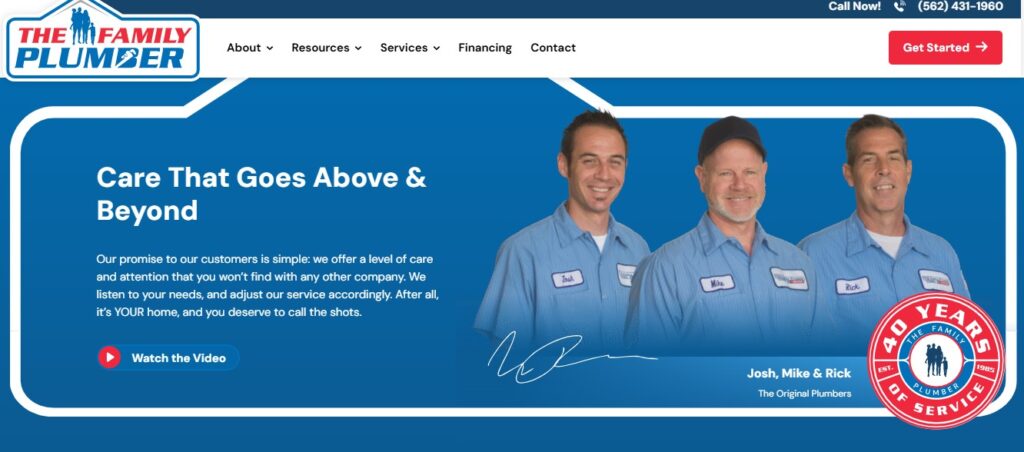
This kind of visibility doesn’t need to be loud or constant. It just needs to be real. When leadership is visible, trust forms faster, and decisions feel safer for the customer.
Video Presence Is Leadership in Action
Video shortens the trust gap faster than any written message. Seeing the owner explain pricing, walk through a job, or talk through common mistakes communicates confidence and competence immediately. That visibility is a form of leadership. It shows clarity, not performance. Homeowners are not looking for polish. They are looking for understanding.
Imperfect Consistency Beats Polished Absence
Waiting for content to be perfect is how visibility disappears. Short, imperfect videos posted regularly outperform highly produced content that shows up once in a while. Familiarity builds trust, not editing quality.
This is where a contractor’s omnipresent marketing cadence matters. Showing up across platforms in a steady, human way builds recognition long before someone needs to call. Founder visibility does not replace advertising. It makes it credible.
The Mindset Shifts That Actually Unlock the Next Stage of Growth
There’s a moment every owner hits where grinding harder stops working. You’re already working long hours. You’re already involved. And somehow the business still needs more from you every year instead of less. That’s usually the signal that the problem isn’t effort. It’s how the business is being led.
Here are the mindset shifts that actually change the game for home service owners at this stage.
- Stop letting the loudest problem run the business
When growth is reactive, every week is driven by fires. A bad job. A crew issue. A slow week. That mode feels busy, but it keeps the business stuck. Long-term leadership means deciding, in advance, what you’re building toward and not letting every short-term issue derail direction.
- Retire the “I’ll just handle it” reflex
Jumping in to save the day feels responsible. It’s also how businesses become dependent on the owner. If quality only exists when you touch something, the ceiling is already set. Systems don’t remove standards. They protect them when you’re not in the room.
- Delegate with context, not hope
Handing something off and hoping it gets done your way is a fast path to frustration. Real delegation sounds like, “Here’s the outcome, here’s how decisions should be made, and here’s when I want to be looped in.” That clarity keeps you out of the weeds without lowering the bar.
- Say the clear thing instead of the comfortable thing
Vague pricing, fuzzy roles, and soft positioning feel easier in the moment. They also slow everything down. Clear expectations inside the business and clear messaging outside the business remove hesitation. They shape how homeowners choose contractors, because confidence is easier to trust than ambiguity.
Leading Teams Through Growth Without Losing What Made You Good
When your team is small, culture takes care of itself. Everyone hears the same conversations. Everyone sees how decisions get made. Everyone knows what “good work” looks like.
Then you grow. Suddenly, things feel off. Good techs make odd decisions. Sales follow-up slips. Friction shows up where it was never before. That’s not because people stopped caring. It’s because leadership didn’t scale with the team.

Communication Needs a Rhythm, Not Just Reactions
Most home service teams don’t need more meetings. They need fewer surprises. When communication only happens after a bad job, a missed call, or a blown estimate, teams stay defensive. A simple rhythm changes that. Weekly priorities. Short check-ins. Clear updates that don’t change every few days.
This matters even more during operational shifts. A CRM transition for contractors often fails because leadership explains the tool but not the why. Crews and sales reps don’t resist change. They resist confusion. Predictable communication lowers anxiety and keeps people focused on the work, not the noise.
Expectations Have to Be Spoken Out Loud
Early on, expectations live in your head. As you grow, that stops working.
- What does “good follow-up” actually mean?
- How fast should estimates go out?
- When does a tech escalate a problem instead of fixing it alone?
If these answers aren’t clear, people guess. And guessing creates inconsistency. This lack of clarity shows up in wasted effort. Sales data still shows reps spend 70% of their time on non-selling tasks, barely better than it was in 2022. Much of that waste comes from unclear priorities and constant course correction.
Clear expectations are not micromanagement. They are permitted to act.
Accountability Without Breathing Down Necks
Most owners don’t want to micromanage. They feel forced into it. That usually happens when outcomes aren’t defined. Strong leadership sets the result, not the play-by-play. “Here’s what good looks like. Here’s how we measure it. Let’s review it consistently.”
Teams respond to that structure. 76% of reps say leadership prioritizes employee satisfaction, and clarity is a big part of why. People want to do good work. They just need to know what “good” actually means.

Hiring for Mindset Saves You Later
Skills get you through the door. Mindset determines whether someone stays. This is why hiring can’t just be about experience. Asking better HVAC interview questions helps reveal how someone handles pressure, takes feedback, and treats homeowners. Those traits matter more than years in the field when the business is scaling. The wrong hire doesn’t just underperform. They pull culture backward.
Why Marketing Performance Always Traces Back to Leadership
Marketing rarely fails because of platforms or tactics. It fails when leadership goes quiet. At a certain size, ads, SEO, and content all start reflecting the same thing: how clearly the business is being led. When leadership is present, marketing feels focused and steady. When it isn’t, everything becomes reactive.
- Messaging is usually the first signal.
If priorities shift every few weeks or positioning changes based on the latest idea, marketing never compounds. Teams and agencies cannot build momentum around a moving target. Consistency in messaging starts with leadership decisions, not campaign settings.
- Trust shows up next.
Strong marketing feels credible because leadership supports it. Reviews are treated seriously. Real stories get shared. Video feels natural instead of forced. When owners are aligned with what marketing is saying, content sounds confident. When they aren’t, everything starts to feel generic.
- Alignment matters more than tools.
When leadership is clear on goals, budget, and expectations, it becomes easier to track marketing ROI. Inputs stay stable. Results become easier to interpret. When leadership wavers, attribution turns into guesswork and performance feels random.
This is also why businesses hire a premium marketing agency and still feel disappointed. The agency executes. The strategy exists. But leadership hasn’t defined the standard.

Common Leadership Mistakes Home Service Owners Keep Repeating
Most leadership mistakes are not dramatic. They are subtle. And that is why they stick around. These are the patterns that show up again and again in growing home service businesses.
Avoiding Visibility When It Matters Most
Some owners step back because they think leadership means getting out of the way. In reality, silence creates confusion.
When the owner avoids being visible in sales conversations, marketing direction, or public-facing content, the brand loses confidence. Teams hesitate. Customers sense distance. Leadership presence is not about ego. It is about reassurance.
Ironically, this is the mistake a marketer starts a home service business mindset often misses. Visibility matters more in local, trust-based industries than in digital-first brands.

Chasing Tactics Instead of Setting Direction
New platforms. New ad formats. New tools. It is easy to mistake motion for progress. Many owners jump from idea to idea without ever setting a clear direction. Marketing becomes fragmented. Teams execute without understanding why. Results feel random because strategy never had time to compound.
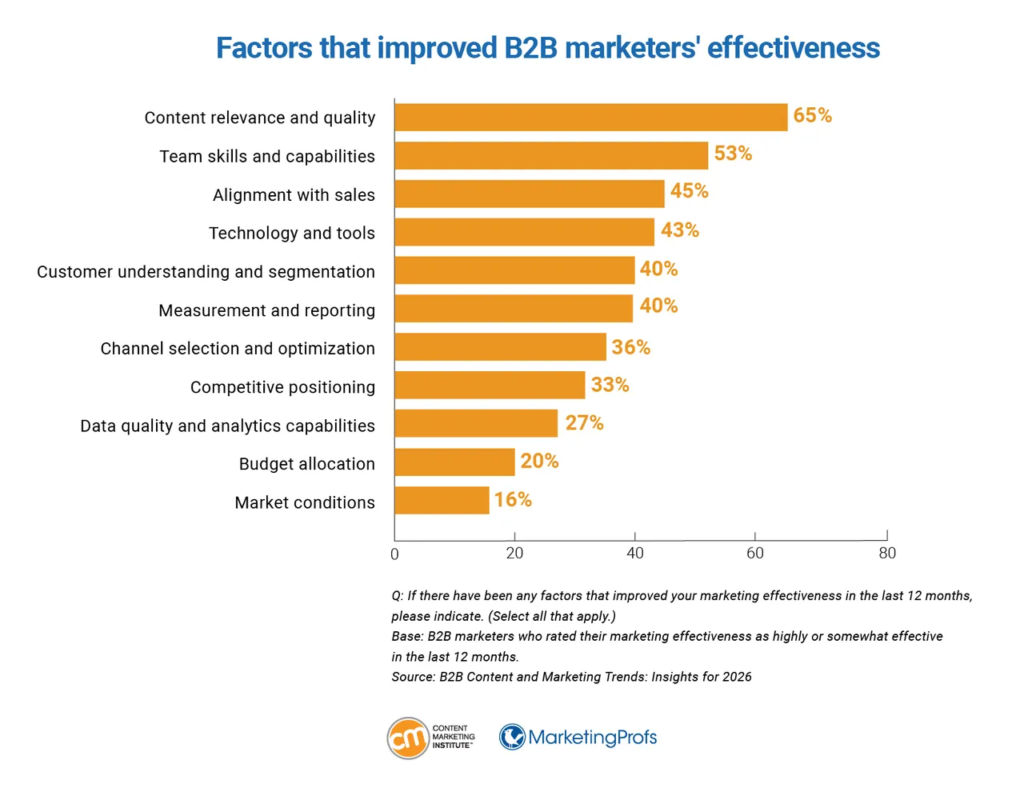
Data supports this. More than half of marketers who report success point to content relevance and quality and team skills and capabilities as the real drivers, not tactics alone. Leadership sets relevance. Teams execute it.
Holding on Too Tightly
Early on, control feels necessary. As the business grows, it becomes a bottleneck.
Owners who insist on approving everything slow decisions, frustrate teams, and limit growth. Holding on tightly does not protect quality. Clear standards do. Delegation works when expectations are defined and trust is built intentionally.
Delaying the Hard Decisions
Every business accumulates decisions it avoids. Pricing adjustments. Role changes. Underperformers. Process changes.
Delaying these decisions feels safer in the short term. In the long term, it creates drag everywhere else. Teams feel it. Customers feel it. Growth stalls quietly. Leadership shows up in what you choose to address early instead of what you tolerate too long.
Expecting Marketing to Fix Leadership Gaps
This is the most expensive mistake of all. Marketing can amplify clarity. It cannot create it.
Many owners invest in ads, content, or agencies hoping results will force alignment. When leadership is unclear, marketing reflects that confusion back at the business. Campaigns underperform. Messaging feels generic. Trust erodes.
Even though 59% of marketers believe their efforts are effective, the ones who truly move the needle consistently point to leadership-driven factors like relevance and team capability. The pattern is clear. Marketing does not fix leadership problems. It reveals them.
What Leadership Looks Like as Your Business Grows
Leadership in home services is not static. It evolves whether you’re ready for it or not. What works at one stage often becomes the thing holding you back at the next. This is where many owners feel frustrated, not because they are doing something wrong, but because the role they are playing no longer fits the size of the business.
The $1–3M Stage: The Builder
At this stage, leadership is hands-on. You are close to everything. Sales, hiring, customer issues, and marketing decisions still run through you. That involvement is often necessary. The risk comes when owners mistake closeness for clarity.
Leadership here is about setting standards early. How sales conversations sound. What quality means in the field. How problems get handled. The habits you build now become hard to change later.

The $3–10M Stage: The Multiplier
This is where leadership pressure increases. The business cannot run on proximity anymore. You cannot hear every call or fix every issue. Leadership shifts from doing to deciding. Clear priorities, clear expectations, and clear ownership matter more than effort.
Many owners struggle here because they try to lead a bigger business with the same instincts that built a smaller one. The result is bottlenecks, slower decisions, and teams waiting for permission. Leadership at this stage is about multiplying yourself through people and systems.
The $10M+ Stage: The Architect
At scale, leadership becomes less visible but more impactful. You are no longer the center of execution. You are responsible for direction. Vision. Alignment. Culture. The way decisions get made when you are not in the room.
Leadership here is about structure and confidence. The business should feel steady even when markets shift or challenges appear. When leadership works at this stage, growth feels intentional instead of fragile.
How Leadership Quietly Speeds Up Sales and Raises Close Rates
When sales slow down, most home service owners look at leads, pricing, or scripts. Rarely do they look in the mirror. But leadership is usually the hidden variable. Homeowners don’t just buy a service. They buy confidence.
If the owner is unsure about positioning, pricing, or priorities, that uncertainty leaks into sales conversations. Techs hesitate. Sales reps over-explain. Discounts show up too early. That hesitation stretches sales cycles and invites price shopping.
- Confidence starts at the top.
When leadership is clear on who the business is for, what it does well, and what it will not compete on, sales get easier. Reps stop selling defensively. Estimates feel calmer. Homeowners sense that the business knows its worth.
- Brand authority is not built in a single campaign.
It’s built when everything lines up. The website matches what the salesperson says. Reviews reflect the experience being promised. Ads sound like real people, not stock copy. That alignment tells homeowners, “This company has its act together.”
- Trust is often established before the first call.
Most homeowners have already looked you up. If they see consistency across your content, your team, and your message, they come into the conversation warmer. They ask better questions. They decide faster.

- Inconsistency is what kills momentum.
When pricing changes without explanation, messaging shifts, or expectations vary by rep, homeowners pause. Pauses create objections. Objections slow deals. Leadership prevents that drift by setting standards that hold across every touchpoint.
Is It Time to Step Fully Into the Leader Role?
If you’re running a home service business, this question usually shows up in small, frustrating moments. You’re still jumping on calls you shouldn’t need to take. You’re approving estimates that should be routine.
You’re fixing the same crew issues for the third time this month. Nothing is “broken,” but nothing feels light either. That’s often the sign the business has outgrown the role you’re still playing.
What This Looks Like in Real Home Service Businesses
For many owners, growth stalls not because demand dries up, but because too much still runs through them. Sales wait for your approval. Marketing pauses without your input. Techs escalate issues that should already have a playbook. You’re not micromanaging on purpose. The systems just haven’t replaced you yet.

Stepping Back Without Letting Standards Slip
Stepping fully into leadership does not mean disappearing from the business. It means stepping back from the work that used to move the needle and stepping up where leverage now lives. Setting clear pricing rules. Defining how sales conversations should sound. Deciding which jobs you actually want more of and which ones you don’t.
When owners skip this step, they stay stuck in execution mode while the business demands direction.
Owning the Role the Business Needs Now
In home services, your behavior sets the standard whether you intend it to or not. How you talk about margins. How you respond to mistakes. How you handle pressure during busy season. Your team copies that.
Choosing growth intentionally means deciding if your time is still best spent “doing” or if it’s needed to make the decisions that stop problems from repeating. You don’t need to overhaul everything.
You do need to recognize when the business needs a leader more than another set of hands.
The Business Doesn’t Need a Harder-Working Owner. It Needs a Clear One.
If you’ve built a home service business to this point, effort isn’t the issue. You’ve already proven you can work, sell, and solve problems. What usually holds growth back now is clarity.
When decisions are clear, teams move without waiting. Sales feel steadier. Marketing stops feeling random. The business starts relying less on your stamina and more on direction. This is the shift from being the engine to being the leader.
If you want a grounded conversation about what that transition looks like in your business, book a leadership and growth strategy call with Hook Agency. No hype. Just clarity from people who work with owner-led home service businesses every day.